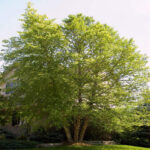
Native Trees in the Mid Atlantic
Native Trees grow naturally in a certain regions or ecosystems without being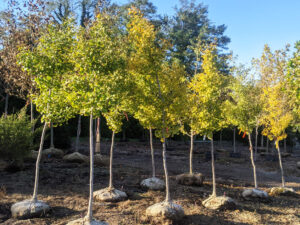 brought there by people. They are species that have adapted over time to the local climate, soil, and wildlife. These trees play an important role in supporting the natural balance of that area.
It is easy to be drawn to exotic or unusual trees when planning a landscape project. Uncommon tress have their place but native trees are often the best choice for homeowners. Additionally, beauty, resilience, and low-maintenance care. make Native Trees ideal for today’s busy lifestyles.
Native Tree Benefits
Low Maintenance
A native tree is already suited to our region’s rainfall, temperature swings, and soil conditions. This means they require less watering, fertilization, and long-term upkeep compared to many non-native options.
Support for Wildlife
From songbirds to pollinators, native trees provide food and shelter for local wildlife. Planting them helps restore natural habitats right in your own backyard.
Seasonal Beauty
Far from being ordinary, many of these trees offer spectacular seasonal displays. Spring blooms, rich fall colors, and striking winter silhouettes add year-round appeal.
Resilience
Another reason to consider, native trees are more resistant to local pests and diseases. This reduces the need for chemical treatments because these trees are also more tolerant of weather extremes, from summer heat to winter cold.
Recommended Native Trees for Landscape Projects
In the Mid-Atlantic (Pennsylvania, Maryland, Delaware, Virginia, New Jersey, and surrounding areas), native trees represent the smart choice for landscaping because they’re already adapted to local weather, soils, and pests. That means they require less maintenance and provide better habitat for birds, pollinators, and other wildlife. Here are some top recommendations and why they’re most often used:
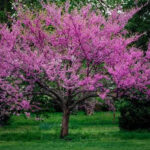
Redbud (Cercis canadensis) – Beautiful pink spring flowers, heart-shaped leaves, and excellent for small yards.
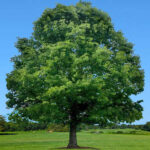
White Oak (Quercus alba) – A classic shade tree with strong wildlife value and stunning fall foliage.
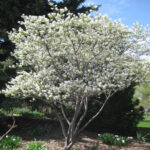
Serviceberry (Amelanchier spp.) – Multi-season interest with spring blooms, edible summer berries, and fiery fall color.
River Birch (Betula nigra) – Distinctive peeling bark, fast-growing, and adaptable to wet soils.
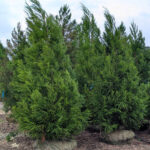
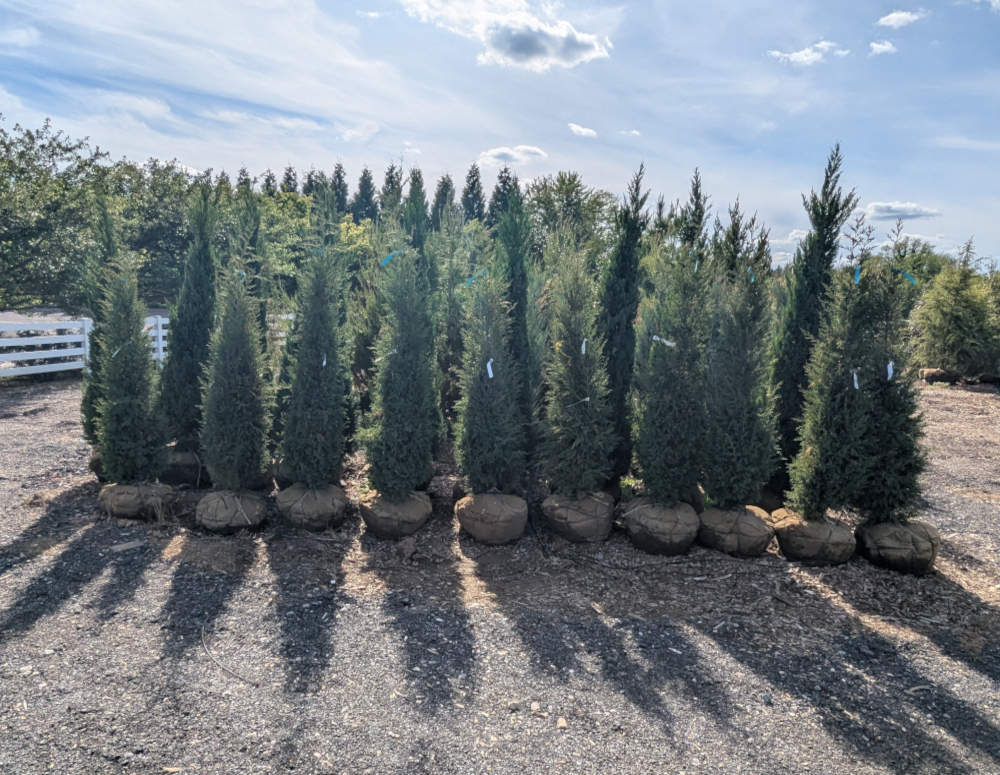
Eastern Red Cedar (Juniperus virginiana) – Evergreen privacy tree that provides food and cover for birds.
Choosing local trees is not just good for the environment — it’s good for you too. They save time, reduce maintenance headaches, and ensure your landscape thrives for years to come.
If you’re ready to bring the beauty and resilience of native trees into your yard then stop by Country Springs Wholesale Nursery. Our team can help match you with the right tree for your space and lifestyle.
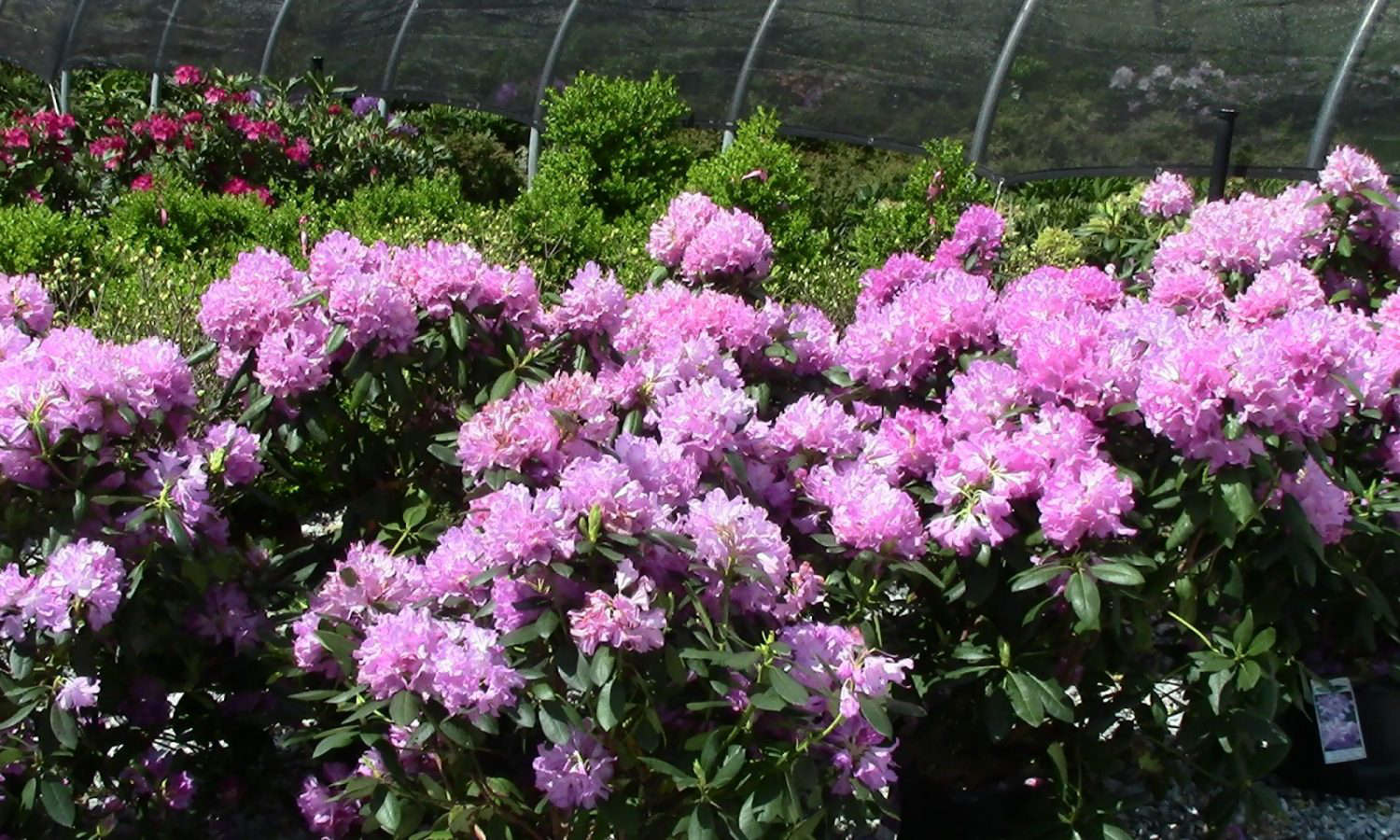
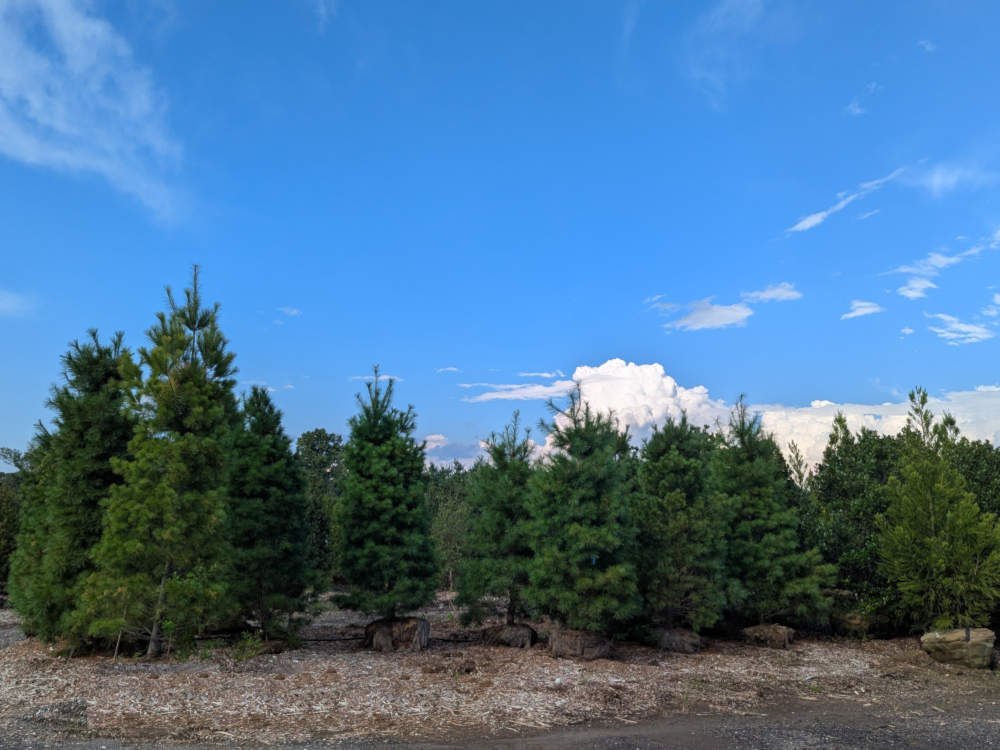
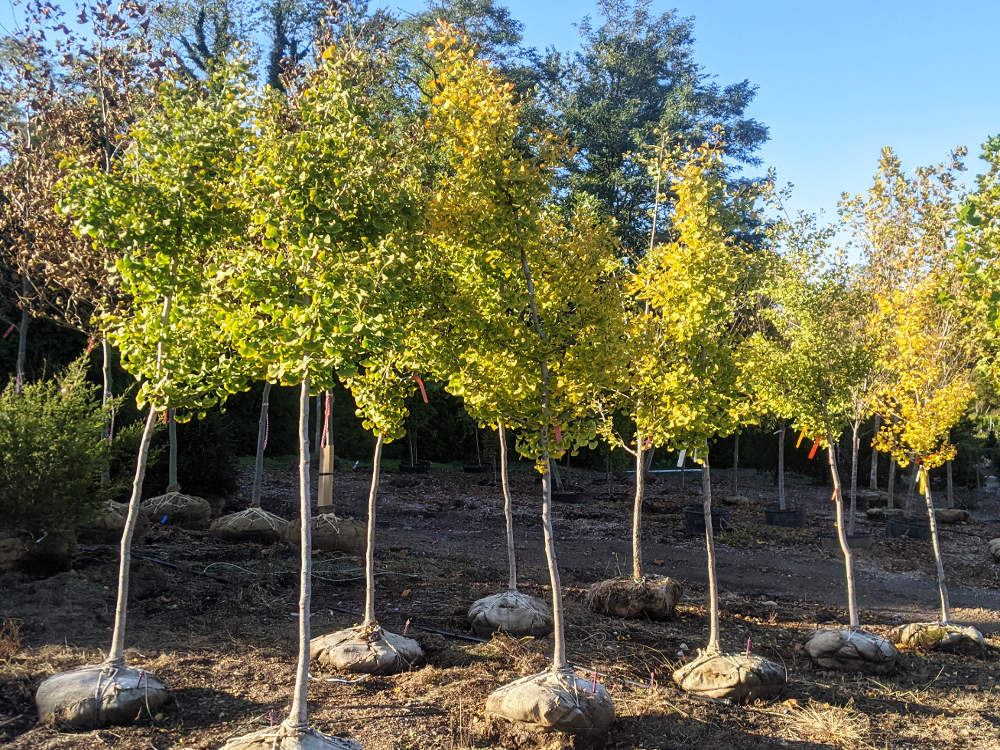
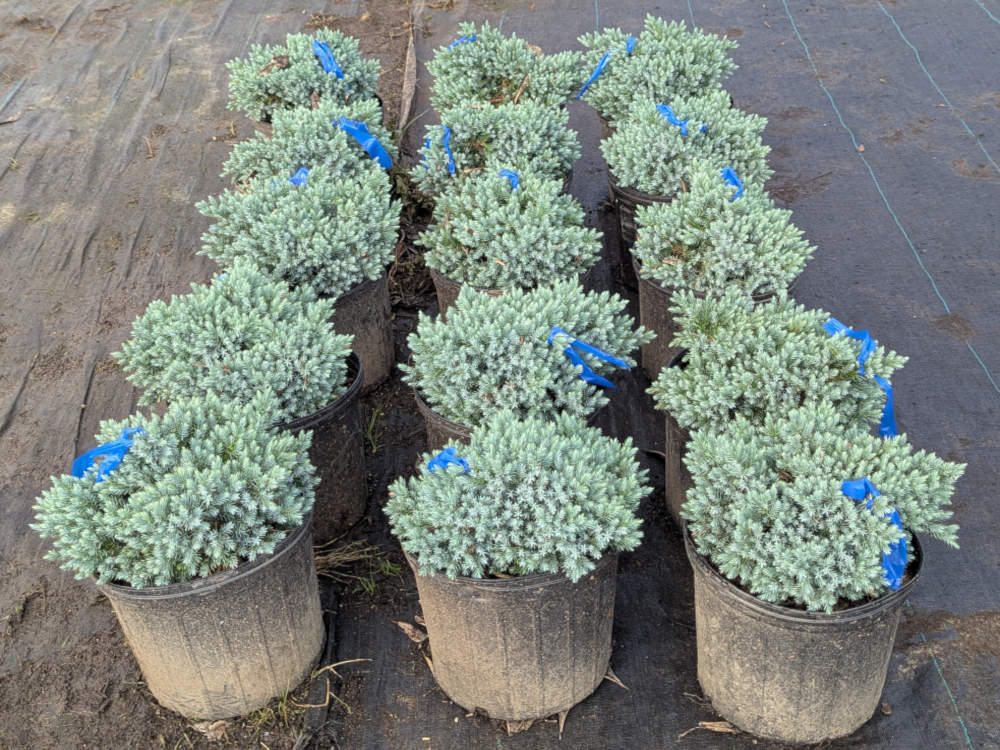 As fall installs ramp up, contractors are often choosing between balled-and-burlapped (B&B) and container-grown stock. Both have a place in a fall planting plan, but knowing the differences helps you match the right material to the right project.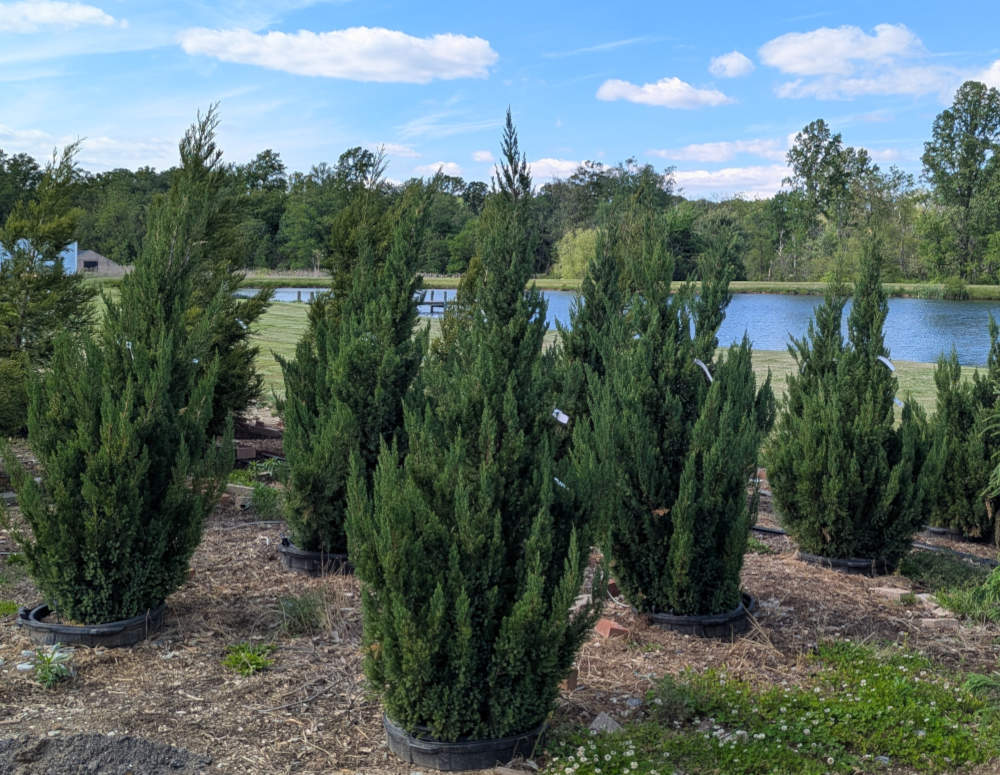
 Understanding Right Tree Size Options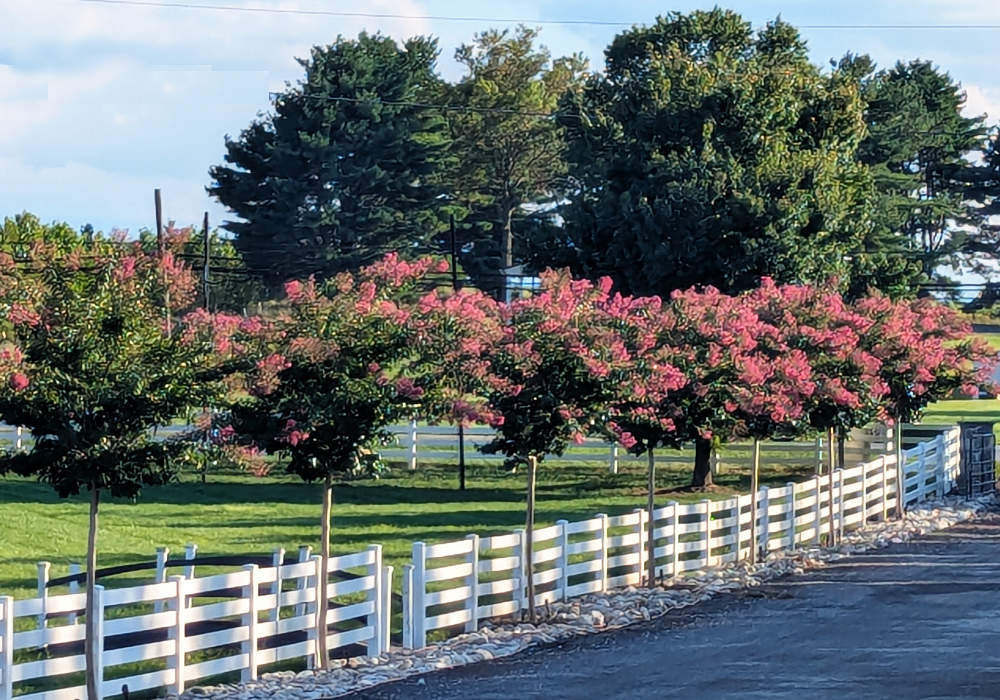

 As we move into 2026, landscape design continues to balance function, beauty, and long-term sustainability. Contractors are prioritizing trees that deliver visual impact, adaptability, and resilience — selections that thrive in Mid-Atlantic conditions while minimizing maintenance needs.