

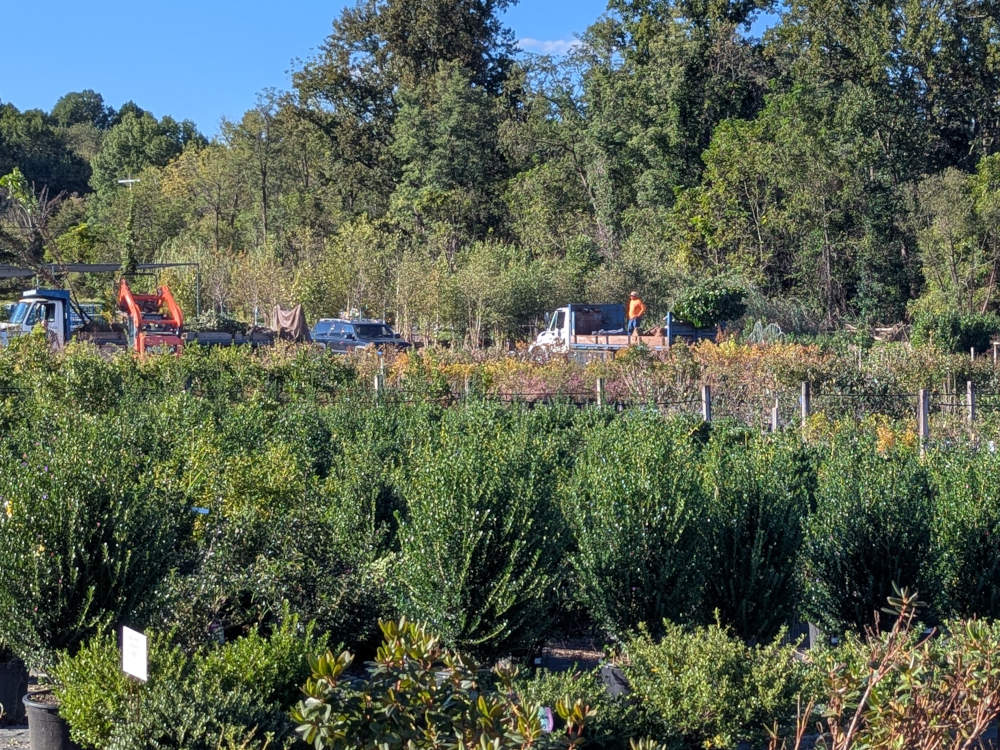
Preparing Nursery Stock for Winter – Information About Hardening Off
Before nursery stock is ready to withstand a Maryland winter, it goes through a process called hardening off — and understanding it helps contractors know what they’re getting when they source fall and late-season material.
What Hardening Off Actually Means
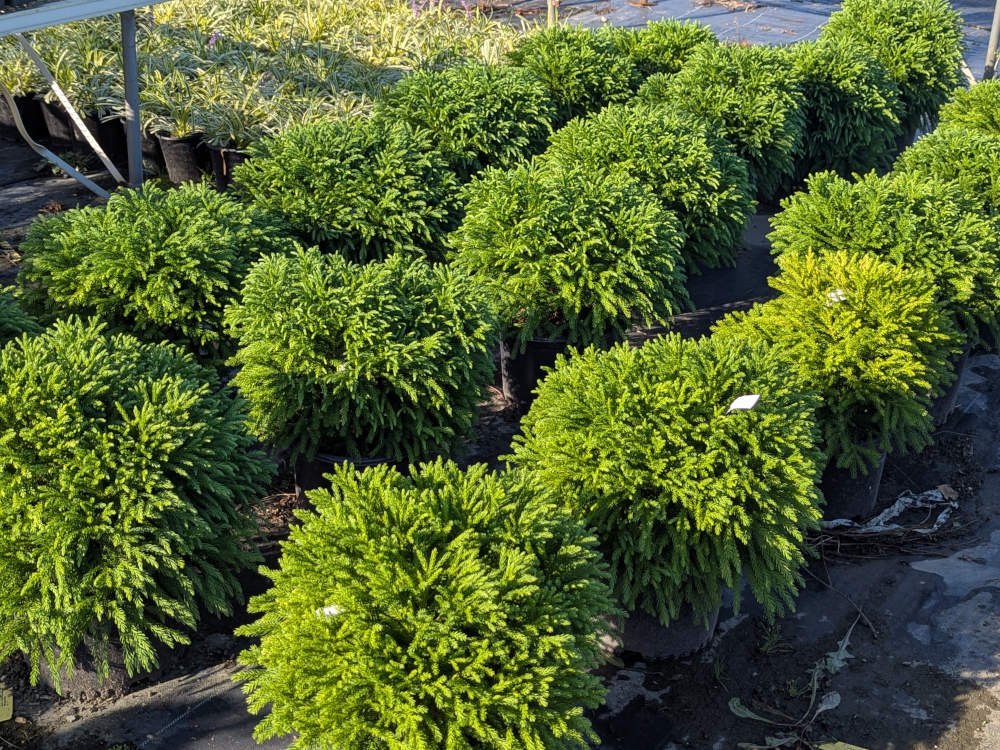 Hardening off is the natural process by which plants prepare for dormancy:
-
- Growth slows as temperatures drop and daylight shortens
- Cell structure changes to improve cold tolerance
- Water content in tissue decreases to reduce freeze damage risk
Continue reading “Hardening Off – What Contractors Should Know About Winter”
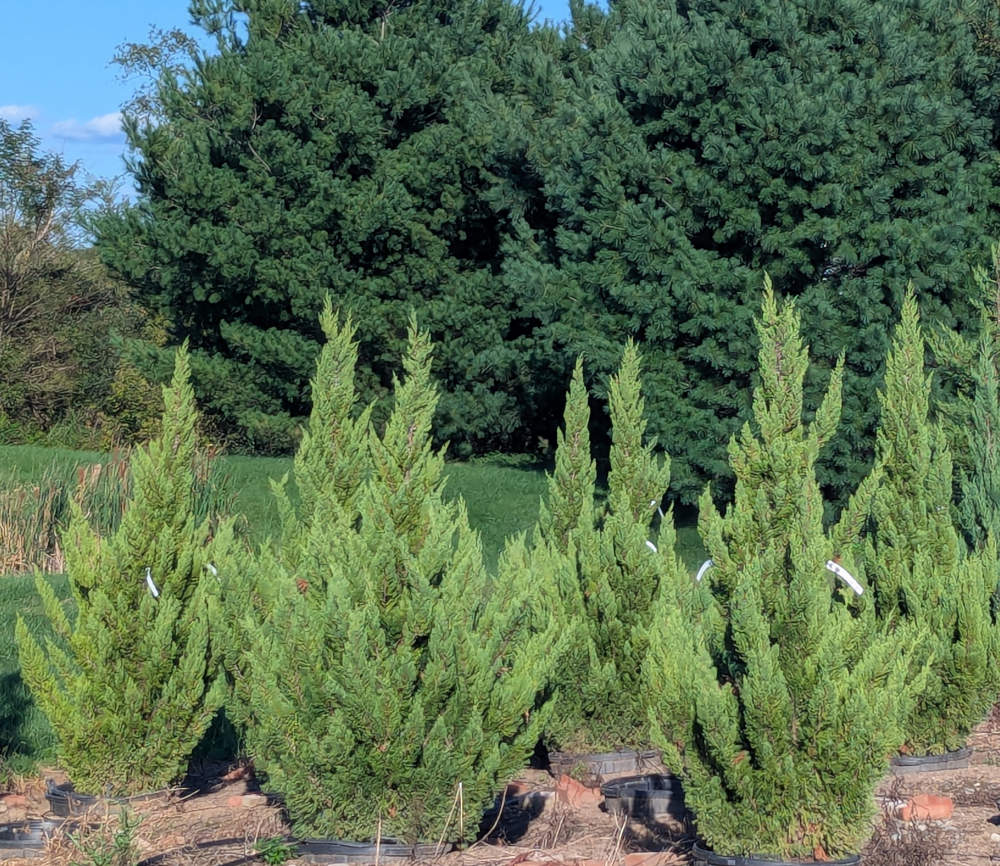
 For contractors working throughout Maryland and the surrounding region, deer pressure is one of the most common client complaints — and one of the most preventable with the right plants. Fall installs are a good opportunity to get deer-resistant plantings established before browsing pressure increases in winter.
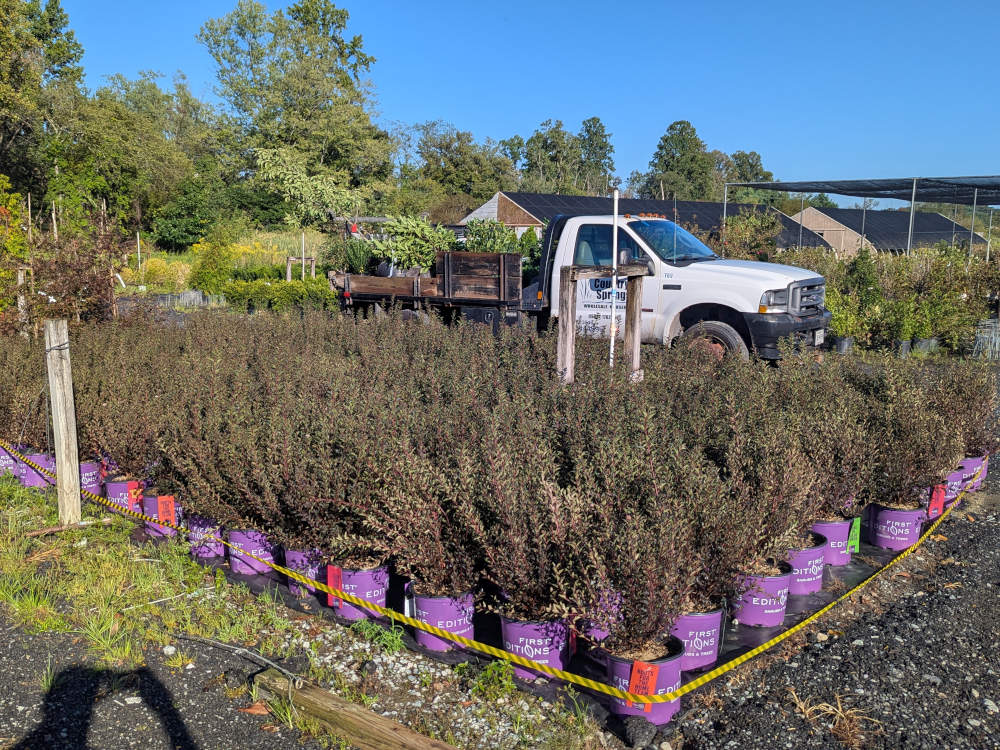
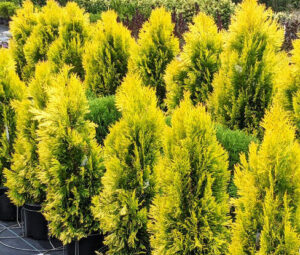 Fall color is one of the easiest features to sell a client on. Well-placed popular trees and shrubs with strong seasonal color turn heads and give contractors an easy way to differentiate a project. Knowing what performs — and what clients keep asking for — helps you plan ahead.
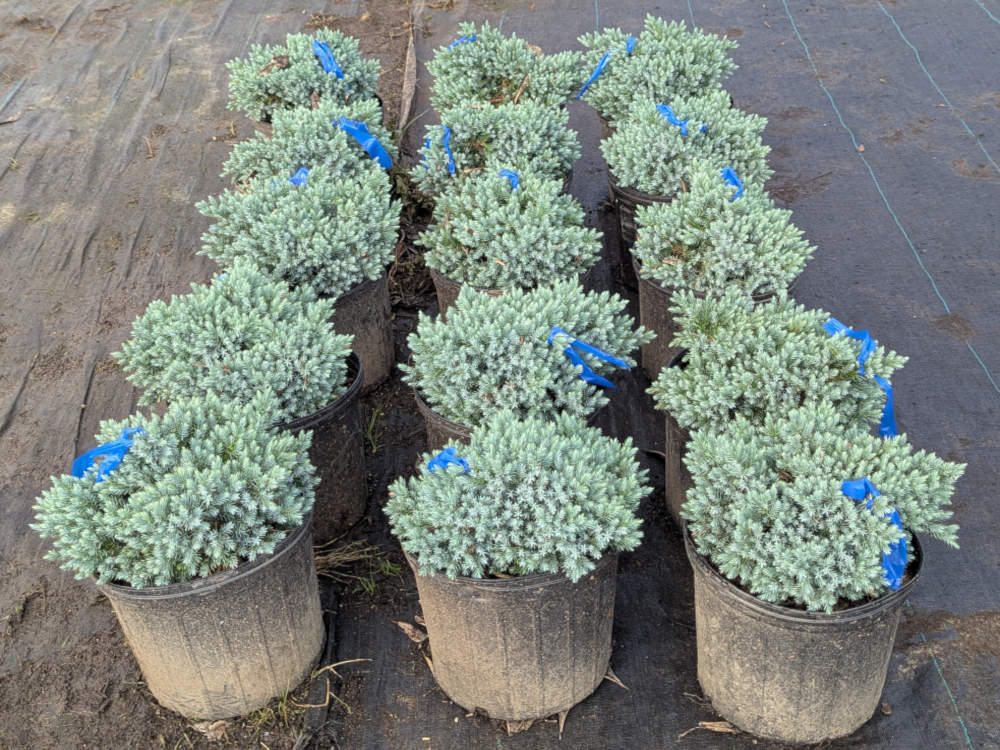 As fall installs ramp up,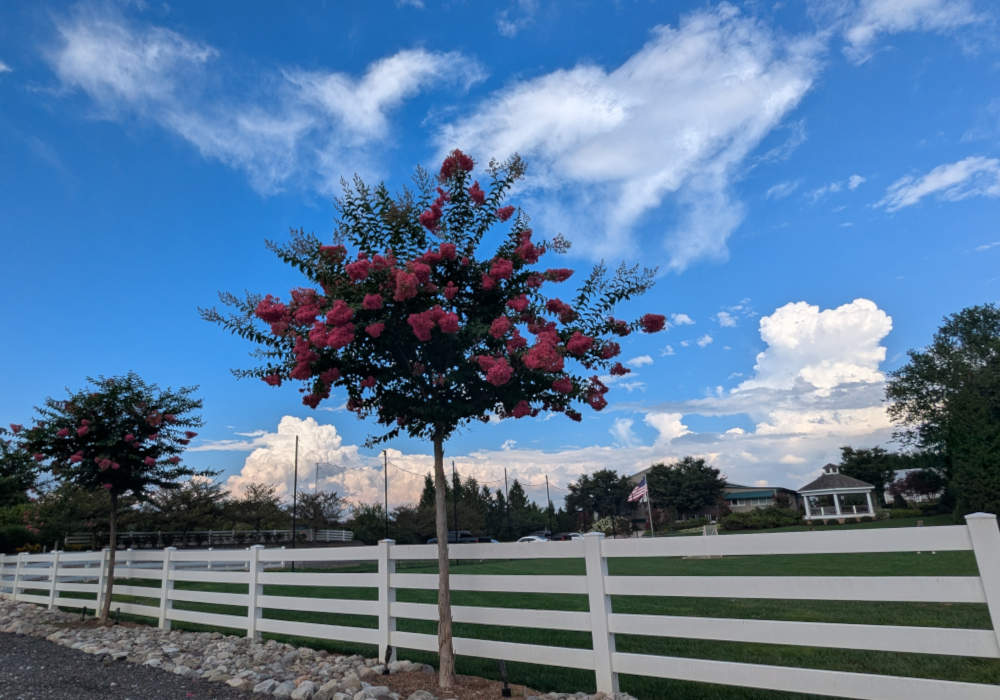
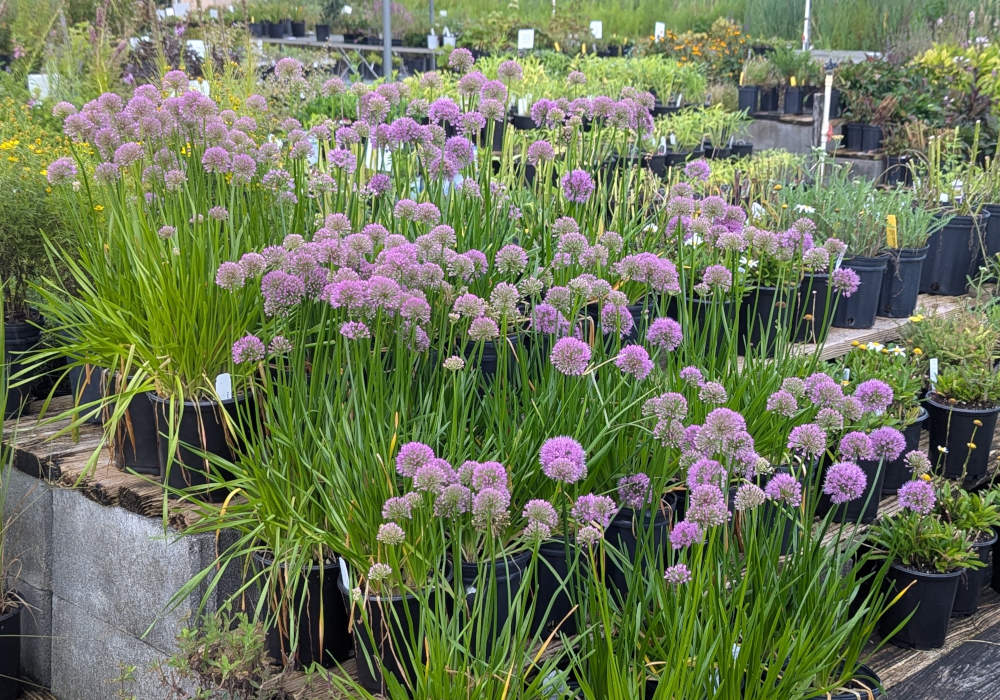 Many property owners assume spring is the only time to plant, but for contractors who know the industry, fall is often the smarter call. An ideal planting window often arrives, spawned by cooler air temperatures with still-warm soil, to create conditions that reduce plant stress and support strong root development — without the pressure of a compressed spring rush.