
Why Fall Is an Ideal Planting Window for Contractors

Ideal Planting Window

The Ideal Planting Window for Contractors in the Fall

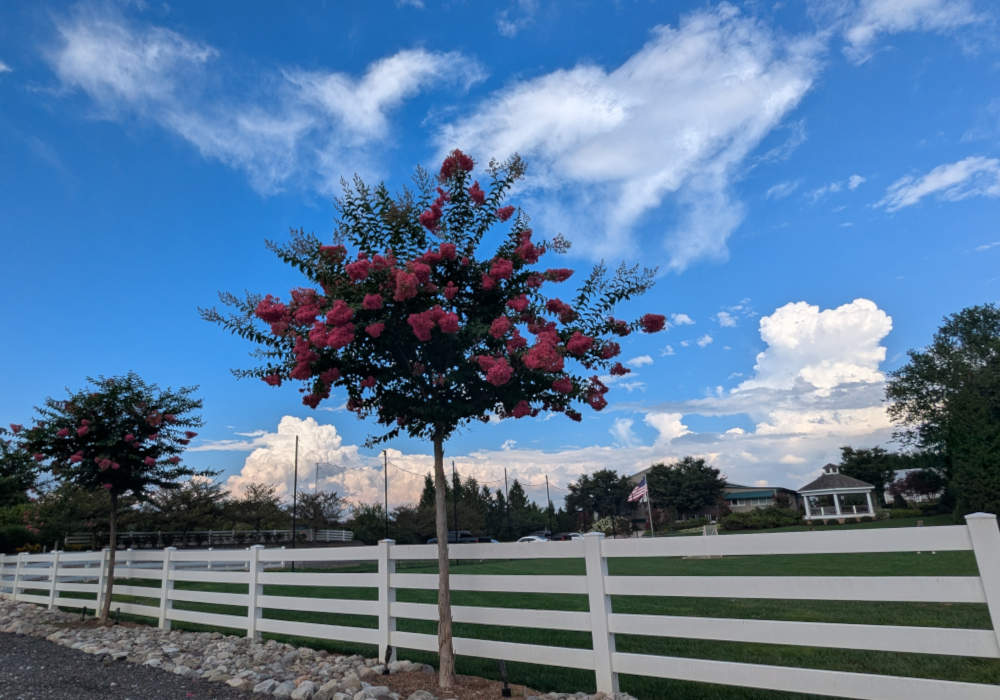
Fall PlantingMany property owners assume spring is the only time to plant, but for contractors who know the industry, fall is often the smarter call. An ideal planting window often arrives, spawned by cooler air temperatures with still-warm soil, to create conditions that reduce plant stress and support strong root development — without the pressure of a compressed spring rush.

Why Fall Works in the Plant’s Favor

Fall planting succeeds because the biology lines up in the plant’s favor:

    • Soil retains summer warmth well into October, keeping root zones active
    • Air temperatures drop, reducing water loss through leaves and needles
    • Plants shift energy from top growth to root establishment
    • Reduced pest and disease pressure compared to peak summer

Continue reading “Why Fall Is an Ideal Planting Window for Contractors”

Maximizing Plant Survival Rates

Plant Survival Rates

Best Practices for Contractors to Maximize Plant Survival Rates

Plant SurvivalSuccessful landscape projects don’t end at installation — they depend on how well plant material establishes and thrives after it’s in the ground. For contractors, high plant survival rates are essential to protecting margins, reducing callbacks, and maintaining a strong reputation.

While plant quality is critical, proper handling, timing, and installation practices play an equally important role.

Start With Quality Wholesale Stock

The foundation of plant success begins at the source. Wholesale nursery-grown material is cultivated for:

    • Strong, well-developed root systems
    • Proper pruning and structural integrity
    • Consistent sizing and maturity

Starting with healthy, professionally grown stock significantly increases the likelihood of successful establishment and high plant survival rates. Continue reading “Maximizing Plant Survival Rates”

Costly Nursery Plant Substitutions: How Wholesale Sourcing will Keep Projects on Track

Nursery Plant Delivery

Avoid Costly Nursery Plant Substitutions

Nursery Plant SubstitutionsLandscape projects are often disrupted by nursery plant substitutions. When specified material is unavailable, contractors are often forced to make last-minute changes that can affect design integrity, project timelines, and client satisfaction.

With proper planning and a strong wholesale partner, these issues can be minimized — or avoided entirely.

Why Substitutions Happen

Nursery plant substitutions typically occur due to:

    • Delayed ordering during peak demand
    • Limited availability of specific species or sizes
    • Reliance on retail or inconsistent suppliers
    • Lack of communication between contractor and nursery

During busy seasons, even common plant material can become difficult to source if not secured early.

The Impact on Projects

Plant SubstitutionsSubstitutions may seem like a quick fix, but they often create additional challenges:

    • Designs lose their intended look and structure
    • Clients question changes or request revisions
    • Crews spend extra time adjusting layouts
    • Additional costs arise from sourcing and rework

In high-end or commercial projects, these changes can be especially problematic, as specifications are often tightly defined. Continue reading “Costly Nursery Plant Substitutions: How Wholesale Sourcing will Keep Projects on Track”

Using a Trusted Wholesale Nursery Simplifies Everything

Trusted Wholesale Nursery

Working With One Trusted Wholesale Nursery Simplifies Every Project

Plant UniformityIn today’s fast-moving landscape industry, efficiency is everything. Contractors are managing tight schedules, multiple job sites, and high client expectations — all while coordinating materials, labor, and logistics. One of the most effective ways to simplify operations is by working with a single, trusted wholesale nursery for the majority of your plant sourcing.

The Problem With Multiple Suppliers

It’s common for contractors to source plant material from several vendors, especially when availability becomes tight. However, this approach often leads to:

    • Inconsistent plant quality and sizing
    • Multiple invoices and fragmented pricing
    • Complicated delivery coordination
    • Increased time spent communicating with different suppliers

While it may seem necessary in the short term, relying on multiple sources often creates inefficiencies that impact both workflow and profitability. Continue reading “Using a Trusted Wholesale Nursery Simplifies Everything”

Proper Plant Handling and Delivery Impacts Landscape Success

Proper Plant Handling

The Importance of Proper Plant Handling

Plant handlingFor many landscape contractors, the focus is often on plant selection and installation technique. One of the most overlooked factors in project success is how plant material is handled and delivered before it ever reaches the jobsite.

From the moment a plant leaves the nursery to the time it is installed, proper plant handling plays a critical role in plant health, survival rates, and long-term performance.

The Risks of Improper Plant Handling

Plant material is a living product, and even short periods of stress can impact its viability. Common issues caused by poor handling include:

    • Root ball drying or damage
    • Broken branches or compromised structure
    • Heat stress during transport
    • Delayed planting leading to decline

These problems may not be immediately visible but can lead to transplant failure, reduced vigor, and costly replacements. Continue reading “Proper Plant Handling and Delivery Impacts Landscape Success”