
Choosing the Right Tree for Your Landscape Project

Choosing the Right Tree

Choosing the right tree for your Landscape Project starts with asking the right questions. What kind of sunlight does your planting area receive? How much space is available—both above and around the spot? What type of soil are you working with, and which trees thrive in your local climate zone?
Beyond site conditions, it’s also important to think about what you want your tree to provide. Are you looking for fast shade, seasonal color, long-term durability, or added habitat value?

Understanding these factors can help narrow your options and guide you toward trees that will grow well and serve your goals.

In the sections that follow, we’ll walk you through key considerations—from evaluating your planting site to identifying popular, proven choices. You’ll also find simple planting tips and ongoing care practices to support long-term success.

Ready to get started? Let’s take a closer look at what matters most when selecting a tree.

Assess Your Site Conditions

The following 4 considerations should be taken into account when choosing the right tree before you fall in love with a tree’s form or foliage. Getting to know the basics of the planting location is paramount to the success of the Right Tree for Your Landscape Project.

  • Sun Exposure: Is the area in full sun, part shade, or mostly shady? While many shade trees tolerate full sun, some (like red maples) prefer at least a few hours of direct light each day.
  • Soil Type: Sandy, loamy, or clay? Well-draining loam is ideal for most trees, but if your soil leans heavily to clay or sand, choose species known to adapt—like oak (for clay) or Kentucky coffeetree (for sand).
  • Available Space: Measure both overhead clearance (under power lines or eaves) and width. A mature canopy spread of 30–50 feet is common for large shade trees—so be sure you have room!
  • Climate Zone: Check your USDA hardiness zone. Native trees not only thrive in local temperature ranges but also support wildlife and demand less maintenance.

Match Tree Characteristics to Your Project Needs

When choosing the right tree, different trees offer unique benefits. Here is a chart to help with important questions:
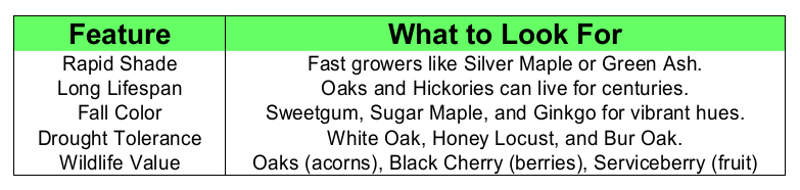
Perfect Tree Features

Top Picks for Homeowners when Choosing the Right Tree

Here are three versatile, attractive shade-tree favorites.
When it comes to choosing a shade tree that delivers both beauty and resilience, a few timeless options rise to the top. Whether you’re looking to create a cooling canopy with a big tree, support local wildlife, or simply add standout foliage to your landscape, the right tree can make all the difference. Below, we highlight three versatile favorites—each with its own unique appeal. From the stately and ecologically rich White Oak to the light-filtering Honey Locust and the striking, low-maintenance Ginkgo, these shade trees offer lasting value for a wide range of environments.

White Oak (Quercus alba)

Mature Size: 80–100 ft tall; 60–80 ft spread

Highlights: Long-lived, deep lobed leaves, supports hundreds of insect and bird species
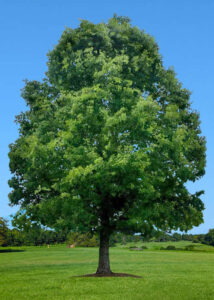
Choosing a Big Tree

Honey Locust (Gleditsia triacanthos var. inermis)

Mature Size: 30–70 ft tall; 30–60 ft spread

Highlights: Light, dappled shade; tolerant of city conditions and poor soils
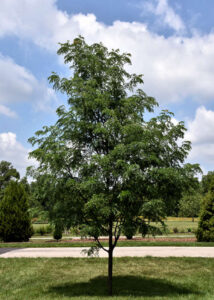
Choosing a low Maintenance Tree

Ginkgo (Ginkgo biloba)

Mature Size: 50–80 ft tall; 30–40 ft spread

Highlights: Unique fan-shaped leaves, stunning golden fall color, extremely disease resistant
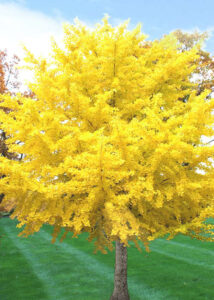
Choosing a colorful Tree

Planting & Early Care Tips

Giving your new tree a strong start sets the stage for decades of healthy growth. Proper planting and early care practices are essential for helping roots establish, trunks strengthen, and canopies develop naturally. From digging the right hole to knowing when—and how—to prune, a few simple steps can make a big difference. Follow these foundational tips to ensure your tree not only survives but thrives in its new home.

  • Dig the Right Hole:
    Make it as deep as the root ball and twice as wide. This encourages roots to spread into native soil.
  • Backfill Gently:
    Mix native soil with a bit of compost, but avoid heavy mulch piles at the trunk (“volcano mulching”).
  • Stake If Necessary:
    Young trees may need staking in windy sites—remove ties after the first year to allow natural movement and trunk strengthening.
  • Water Consistently:
    During the first two growing seasons, aim for 1 inch of water per week (from rain or irrigation). Soaker hoses or drip irrigation work best.
  • Prune Thoughtfully:
    Remove dead or crossing branches in late winter or early spring. Avoid heavy pruning; let the tree establish a natural form.

Long-Term Maintenance

Caring for your tree doesn’t stop after it’s established—long-term maintenance is key to ensuring lasting health and beauty. Even mature shade trees benefit from occasional deep watering during prolonged dry periods, helping them stay resilient through stress. Keep an eye out for early signs of pests or disease, such as leaf spots, cankers, or borer activity, as prompt treatment can prevent serious damage. Finally, refreshing mulch each year with a 2–3 inch layer of shredded bark or hardwood helps conserve soil moisture, suppress weeds, and protect the root zone—keeping your tree strong for seasons to come.

By matching your property’s conditions with the right species, and giving your new tree attentive care when choosing the right tree, you’ll enjoy years of cool shade, wildlife visits, and seasonal beauty. Ready to explore our current shade-tree inventory? Stop by Country Springs Wholesale Nursery and pick the perfect one for your home!
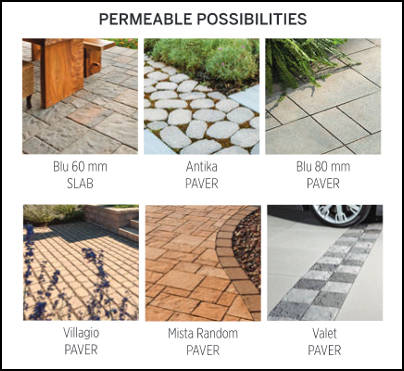
The Benefit of Offering Rainwater Harvesting Services

Rainwater harvesting is a very simple technique that anyone can practice, no matter what part of the country you’re in. All you need is an effective rainwater harvesting system.

Harvesting rainwater is the process of collecting rainwater and storing it for future use. Though it’s an old method for storing water, it’s highly effective and proves to be a highly reliable option. Here are some advantages of rainwater harvesting for your landscaping clients.

1. Rainwater Harvesting is good for the pocketbook.

Do your customers think that they don’t get enough rainfall for rainwater harvesting to be worthwhile? If so, then just point out the fact that even with only 1/2 inch of rainfall, a 1,500 sq ft house can accumulate nearly 500 gallons of water!

To put this into perspective, the average American uses 50 gallons of water for one car wash, so that’s 10 free car washes! The average car wash service is $6.34, so that’s $63 dollars of savings for minimal effort.

And of course, a rainwater harvesting system can be directed at free watering for landscaping, which means more potential opportunities for your company projects!

2. Rainwater is healthier for plants.

This one is a no brainer. It’s proven that rainwater is just healthier for plants compared to any other water source. For instance, unlike regular water, rainwater is slightly acidic and contains minerals and nutrients that plants love – like sulfur and potash.

It also contains no salt, so there’s no need to worry about salt causing any potential harm to the plants.

Because of the above factors, plants that reap the benefits of rainwater harvesting will be greener and healthier.

And if that isn’t enough reason to make the switch to harvesting rainwater, then here’s another one:

You can sometimes get free fertilizer in the form of nitrogen solution when there are thunder storms.

Your clients will definitely be shocked to hear this (pun intended).

3. Lower supply – greater demand.

On a more somber note, it’s no secret that many parts of the world are currently suffering water shortages. For example, it was a big story in international news that Cape Town South Africa will be the first major city in the world to run out of water.

And in the United States, Flint Michigan hasn’t had clean drinking water since 2014.

So clearly we shouldn’t take free and clean water for granted – and this is what rainwater harvesting allows. The possibilities are continuing to evolve so being a pioneer could be a game changer for your company.


Our hardscape supply partner, Techo-Bloc, has permeable pavers that have assisted in making them a leader in the Rainwater Harvesting arena. We have access to experts that will be glad to advise you on projects that would benefit from this technology.

Rainwater Harvesting using permeable pavers

Here is a contractor project that might offer some insight:

Guide to Retaining Walls and Landscaping

Retaining Walls and Landscaping

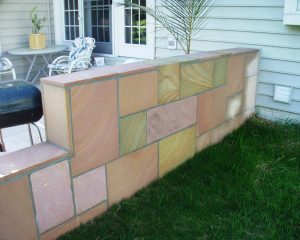
Retaining walls and landscaping are often used in commercial and residential premises. Walls assist with great elevations and slopes to hold back soil and prevent erosion. In landscaping, retaining walls that are low can be used for planting beds and add to the curb appeal of land that was previously flat.

Employing services of landscape designers to layout a retaining wall and landscaping project is important.  Skill and keenness are needed to prevent the wall from leaning, bulging or cracking and becoming useless in the future. Keeping in mind the drainage, base, back fill, and height of the retaining wall is key before commencing construction.

Types of Retaining Walls

There are four major types of retaining walls. Putting them up will depend on the size to be erected, soil type and materials available.

1. Anchored Retaining WallAnchored retaining walls and landscaping

Anchors are mechanically directed into the soil attached by strips and cables to support an assortment of fronts of the retaining wall. Ends of anchors undergo expansion after pressurized concrete or other mechanical means are used to create this physical change. Anchored retaining walls are best for thinner walls.

2. Gravity Retaining Walls and Landscaping

Commonly used by landscapers, gravity retaining walls use mass and weight to keep the soil compact and prevent erosion. Materials used to erect these walls range from bricks, unmortared stone, pavers and dry-stacked stones. For shorter walls, reinforcement is done by digging a trench for the retaining wall to fit into.

3. Sheet Piling Retaining Wall

In areas with limited space, this wall is what you need. A very thin wall made of vinyl, wood or steel is driven in the soil at least 1/3 of the length. Additional reinforcement is done by erecting a corrugated structure vertically. This type of retaining wall is suitable for areas with softer and lighter soil. If you intend to put up a larger wall, strengthen the piling with an anchored retaining wall.

4. Cantilevered Retaining Wall

Usually taking an L-shape, cantilevered retaining walls have steel bars immersed in concrete or retaining walls from masonry attached to a slab foundation. The wall remains sturdy for a long time because the weight of the soil above exerts a lot of pressure on the slab.

Block retaining walls and landscaping are commonly used because the materials used during construction are easily available. The advantage of block retaining walls is their sturdy and durable aspect that makes it an investment. You can now seed your field and with time you will have a lawn growing on healthy conserved soil. This area of landscaping conserves the environment by preventing the occurrence of rills and gullies caused by running water.

Backyard Hardscapes – Creative Hardscapes for Beauty and Tranquility

Backyard Hardscapes Levels

You’ve meticulously laid out your favorite plants and grasses, but still something seems to be missing…

If you’re like the average homeowner, you may not be aware of the term hardscaping. Hardscaping is in fact the second half of the equation for making a beautiful backyard. It’s a subcategory of landscaping that refers to “hard things” in landscaping.

This includes:

  • walls
  • fences
  • stone pathways and stone benches
  • arbors
  • sprinkler systems
  • swimming pools
  • fountains
  • decks and patios
  • stone and brick walkways
  • driveways
  • and so much more…

As you can see, a thorough landscaping job is much more than just lawn care and flowers…

A well thought out hardscaping plan and landscaping plan are both critical for the success of your backyard makeover.

Hardscapes Ideas to Get You Started

Before you begin, the first question that must be answered is: should you start first with hardscaping or landscaping? The answer is hardscaping because it’s easier to work with. Lay the foundations of hardscaping elements first to avoid damaging the softscaping (grass, flowers etc) elements.

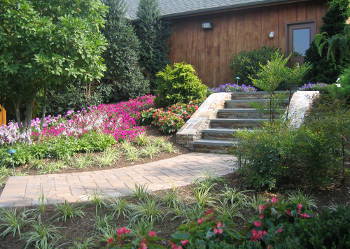
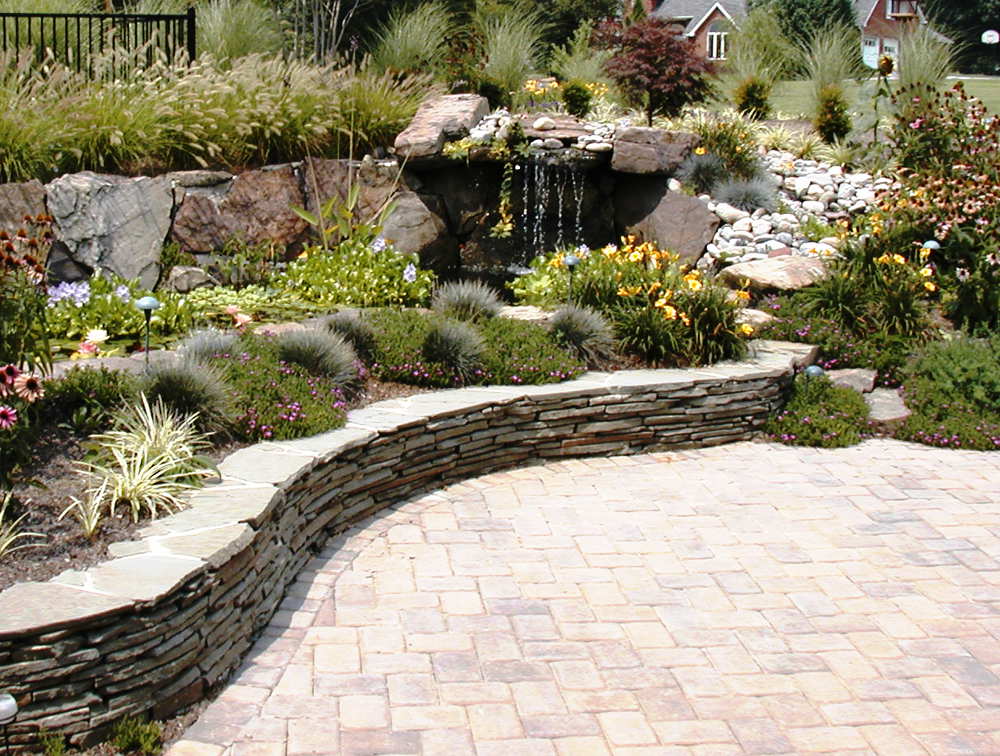
Now that you’ve started thinking about  backyard hardscapes ideas in general, you should keep in mind the usefulness of curves in hardscaping. Curved hardscapes (walls and walkways) work well to soften a landscape with linear lines (linear lines are used in most housing constructions).

Also, a curved path will allow you or your visitors to wander through your landscape, allowing anyone to enjoy the scenery.

Timeless Backyard Hardscapes

A good place to start building a curved path is right from your back door. Make it lead to an area with water. This will be a nice area to relax and unwind. Make the stone pathway interesting. Surround it with flowers or bamboo stalks. Add solar lights to light up the path at night.

You can make some very creative backyard hardscapes by utilizing the concept of hardscape levels. What this means is adding different level hardscapes to your backyard to create more visual appeal.

For example, a stone walkway is one level. A stone wall is another level. Once you have these different hardscape levels, you can let your creativity run wild. You could cover a wall with flowers and add planters to the top of the wall, and you can do the same to your stone walkway if you want.

One more bonus tip: try using citronella torches to keep the bugs away!

As you now see, the possibilities with backyard hardscapes and landscaping are endless; the only limit being your imagination (and budget).

Did we inspire you to make changes in your backyard? If so, share this article and let your friends and family know about the joy of hardscaping. You can also call your local landscape company to find out more!

Getting Started with Big Tree Landscaping – A Short Guide

big tree landscaping - Country Springs Wholesale Nursery

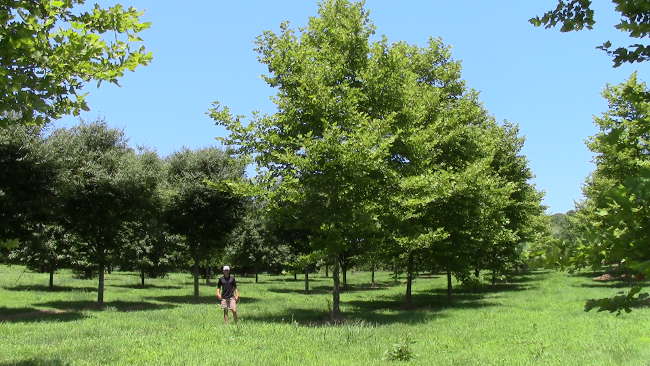
Actual trees at our farm

The Iconic Big Trees

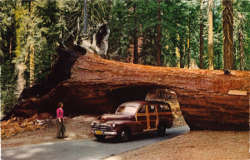
Big trees in the U.S. are most notably from California, where the redwood and sequoia trees are found. tunnel-treeSince their discovery during the Gold Rush in the middle of the 19th century, big tree finds have spread throughout the world, particularly in the US and Europe, but also in Australia, New Zealand, Asia, Africa and South America.
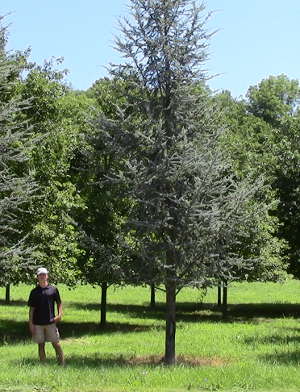
Interestingly enough, sequoias will reach a height of 30ft (10m) after one decade, and after 5 decades will usually reach a height of 130 ft (40m). Some of them can grow over 300 feet tall, as tall as a city skyscraper.

What Are The Requirements For Big Tree Landscaping?

The biggest trees are strong and hardy; they aren’t easily affected by insects or diseases. Because of this, they can live for many years.

However, big trees take many years to mature & the success of big tree landscaping depends a lot on the matching of the region’s climate to that of the tree family’s location. Oaks, maples, cypress, & cherry trees are examples of trees that fall into the category for our region.

So, you won’t grow the large tree you want within your lifetime if you are just now considering planting a seed.

Unless you use an already existing large tree…

How You Can Get Started With Big Tree Landscaping Now

Big tree sales create a feel of maturity when transplanting existing big trees into your landscape. This isbig-tree-landscaping-cypress the fastest method for big tree landscaping. A big tree nursery raises strong and healthy large trees for transplanting.

So, what are some of the benefits of big tree landscaping?

  • Privacy
  • Blocking noise
  • Blocking wind and shading the house can reduce heating and cooling utility bills
    A fully matured large tree can be worth anywhere between $1,000 and $10,000 (small trees were found to have no effect on sales prices)
  • A big tree will give a newly built house the illusion of maturity and steadfastness with a large tree or two planted around it.
  • Underneath certain types of big trees is a good place to grow certain types of plants. The types of trees that don’t cut off all light to anything growing underneath are good candidates for this. Many plants that do well with partial sunlight or shade will grow very well under big trees. Ask your local nursery for advice about these “base” plantings.

Our farm has an excellent selection of mature trees which include Autum Blaze Maples, Pin Oaks, & Yoshino Cherry trees. You can view examples of these and others on our BIG TREES page.

There are many different factors to take into consideration with big tree landscaping. For more information on these other factors, check out this thorough article on the subject.