
Xeriscape Plants – The Sustainable Landscape of the Future is Here

xeriscape plants- CSWN

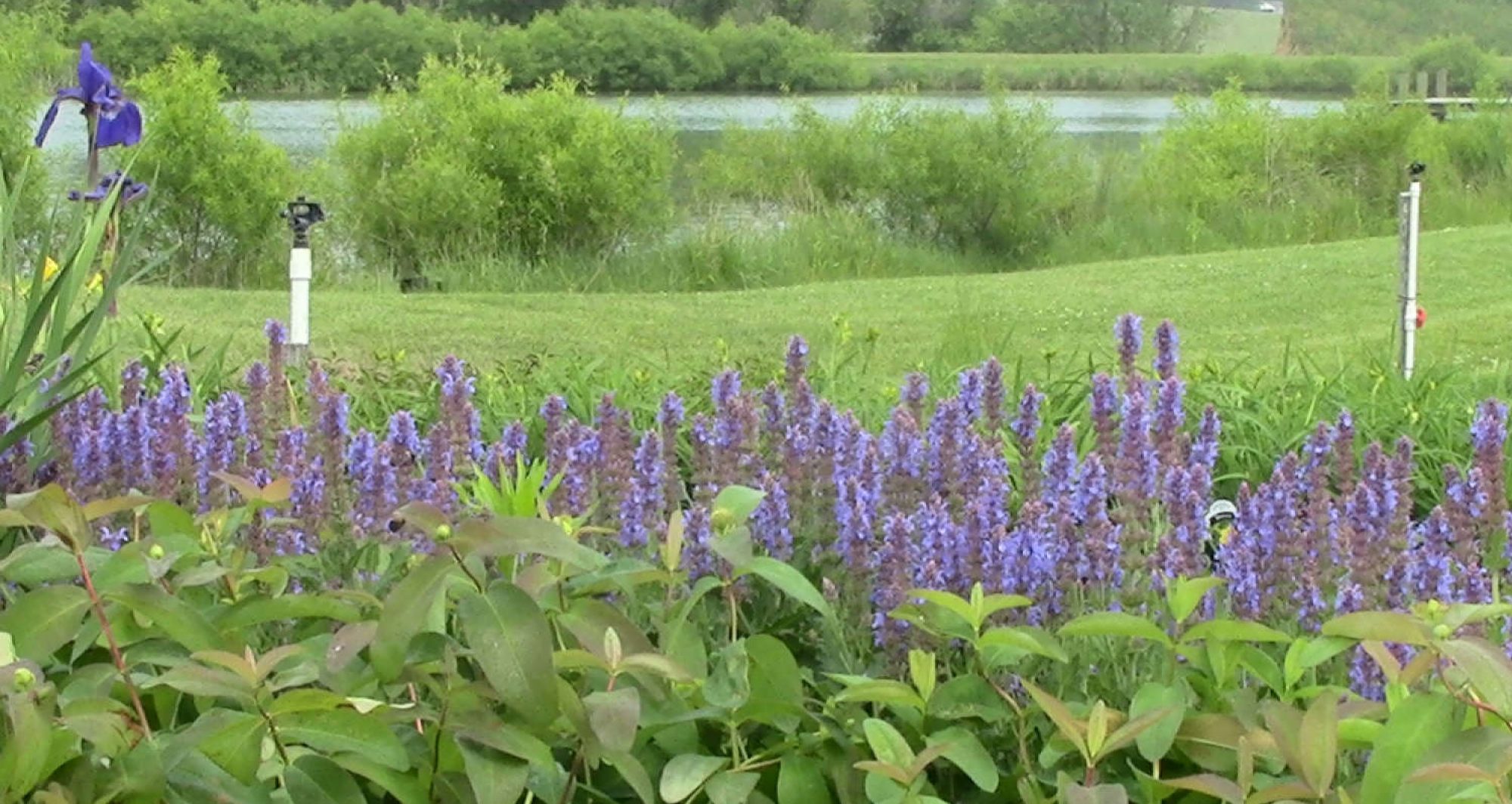
Xeriscaping may be a new word for you unless you’re a landscaper, contractor or an outdoor property management company. Typically, xeriscaping is used as another word for dry landscaping, or desert landscaping.

Xeriscape is there to fill the void in the areas of the world that are too dry to have a lush, colorful garden.

However, within the context of landscaping, xeric doesn’t necessarily equal “dry”. The true definition of xeriscaping is: water efficient usage of resources.

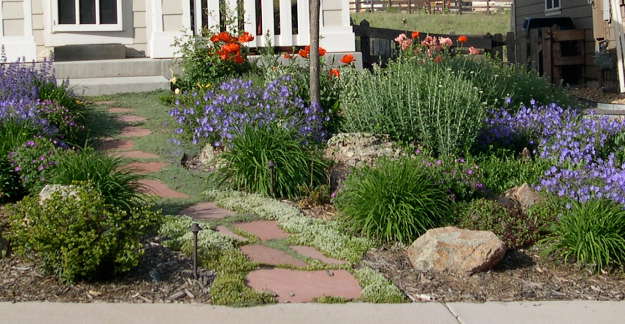
Xeriscaping is at the very heart of sustainability. Xeriscapes consume less water and are often more attractive than other common types of landscapes. Interested? Then read on as we discuss xeriscape landscaping, xeriscape plants and xeriscape planting.

Getting Started With Xeriscape Landscaping

Xeriscaping can be applied to almost any local environment. The proper materials for xeriscaping can replace the existing materials in the environment to simulate the desert environment.

Xeriscape gardening and landscaping is ideal for gardeners living in dry conditions. A couple examples of xeriscape type gardening includes rock gardens and cacti gardens.

With a rock garden it is important to choose mostly native plants that are accustomed to living among rocks.

You aren’t limited to just those choices for your garden however. You can opt for traditional types of flowers and grass, you just have to better plan your irrigation methods.

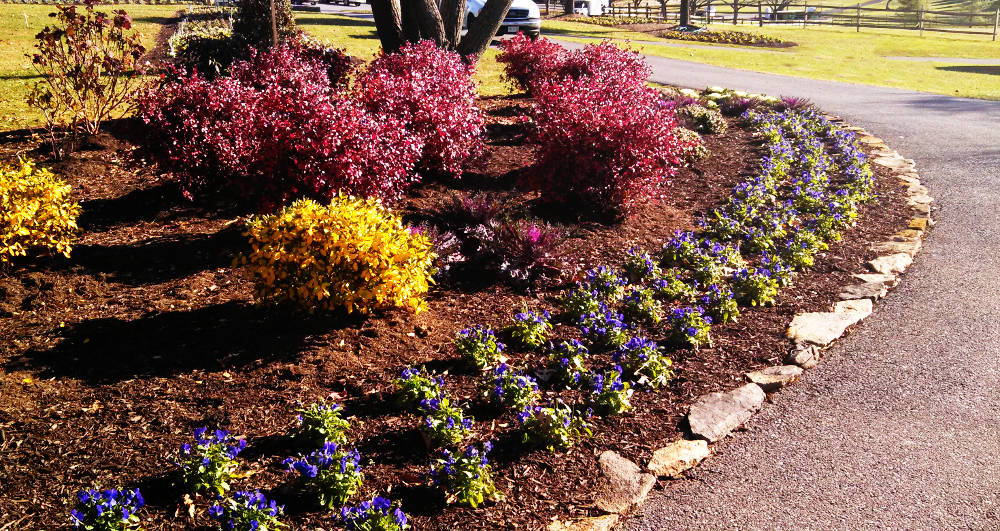
As for your lawn, a xeriscape will typically either eliminate the lawn entirely or it will keep it as a side piece only.xeriscaping-small

Xeriscape Planting

There are many different methods for xeriscaping. One method is to group plants that require the same amount of watering together in order to conserve water. This is good for plants that do better in dry conditions because this will ensure none of them get too much water. Likewise, it will be good for plants that need more water because it will ensure that all the thirstiest plants get enough water.

Xeriscape Plants

A good choice for xeriscape plants are cacti. They don’t need much watering. There are also many different types of cacti, so you can give your desert garden a very unique look.

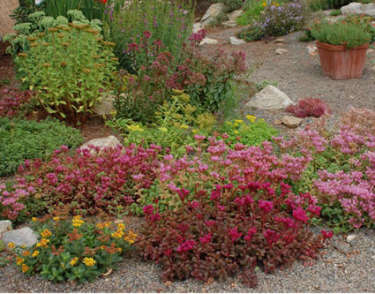
Another good choice for xeriscape plants are seedums. Seedums are perennials that can grow in almost any climate in the Continental US. Usually they bloom in the fall season. Other options include: vines, shrubs, ornamental grasses, and ground cover.

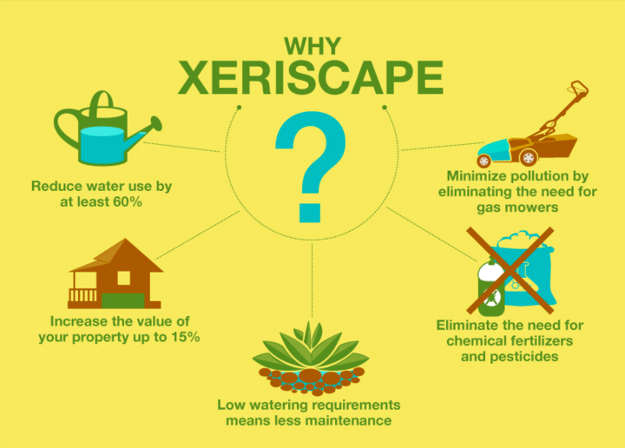
As the world moves towards greener living, xeriscaping will probably become the future of landscaping, so everyone should research it. Help your friends make the world more sustainable by sharing this article with them and point out the diagram below.

why-xeriscape

Summer Plant Relocation: Essential Guidelines for Success

Summer Plant Relocation

Summer isn’t the best time to undertake plant relocation. The heat and sun angle are not plant friendly. However, there are times when the only option is to perform plant relocation during the summer. You can have success with plant relocation during any season by following these easy guidelines.

Plant Relocation Guidelines

  1. Water the plants to be dug and relocated at least a day before you plan to move them. This will make certain that hydration will reach all areas of the plant prior to the start of relocation.
  2. Dig and relocate only during cloudy days or in the evening when it is cooler.
  3. Prior to digging or removing the plant from its current location, be sure to water the base liberally. This will ensure that the soil will stay with the roots when it is removed from its current location.
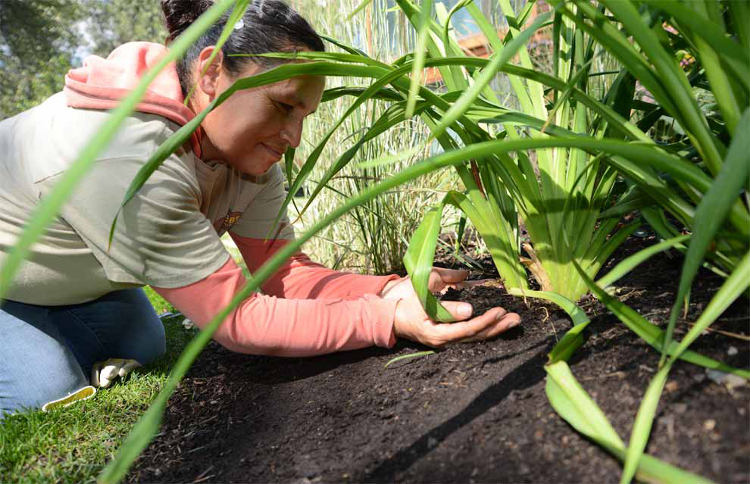
  4. Do not expose the roots during plant relocation to wind, heat or sun. If relocating multiple plants, only work with one plant at a time. Do not remove multiple plants from their current location at the same time.Summer Plant Relocation Watering
  5. Water the intended plant relocation hole before moving.
  6. Put the relocated plant into the hole and pour water in until reaching half way point of the hole. The water will merge the root soil and the hole soil. After soak, finish filling hole with soil.
  7. Once the plant relocation is complete, you can tamp the soil but do so lightly.
  8. After the plant relocation is in place, water the entire plant again including the leaves.
  9. Keep the plant shielded from direct sunlight. A floating row cover or leaning a board between the plant and the direction of sun will work nicely. Do this step for 3-6 days.

Be sure to check on the plant relocation site every day for 2 weeks. Relocated plants will need watering at least once every day. If the plant is wilting give it water. Keep water the plant once or twice each day until it becomes established. If the plant has less roots than top growth or is very large, it will need more water.

This may seem to be an inordinate amount of attention, but the disturbance of being relocated is stressful to plants at any season. During the summer, taking extra caution is important to allow for the transition of your relocated plants.

Pruning Hydrangea – Everything You Need to Know in a Nutshell

Pruning HydrangeaHow Pruning Hydrangea Can Rejuvenate Your Plants… Or Ruin Their Beauty
Hydrangeas are strikingly beautiful flowers, and with minimal effort they can take care of themselves.
However, if there are any dead or faded flowers or stems, you may need to start pruning your hydrangeas. This should be done immediately.

There are two ways to go about pruning hydrangea. That’s because there are two types of hydrangeas: old wood hydrangea and new wood hydrangea. If you aren’t sure which type you have, you can check the plant label if you have it. If you don’t have it, you can still look at the leaves.

In this article we will go into more detail on how you can check which type of hydrangea you have and how to start pruning hydrangea of either type.

Old Wood Hydrangea

Old wood hydrangea includes mophead, lacecap and oakleaf flowers. This type of hydrangea is referred to as old wood because they have flowers that bloom on old wood. The term old wood refers to last year’s growth, which means that the buds are set in the fall and are projected to bloom in the spring.

Mophead and lacecap have serrated dark green leaves. Oakleaf, as you would expect, are just like oakleaves and they turn red in the fall.

Old wood hydrangeas are from the Macrophylla family. These include Nikko Blue, Endless Summer and several other blue and pink flowers.

When to Prune Old Wood Hydrangeas

It’s more important to know when not to be pruning hydrangea of this kind. Don’t prune these after August or you might prune away next year’s flowers. Before August you can cut flowers with long stems for floral arrangements. After August you can cut off flowers with short stems to avoid losing buds that will bloom the following year.

New Wood Hydrangeas

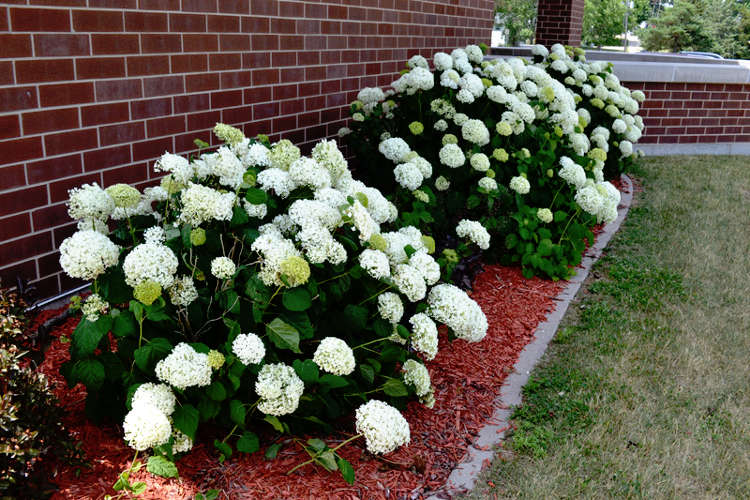
New Wood flowers include Annabelle and Paniculata Grandiflora (PG) flowers. These are usually white flowers (white can sometimes indicate oakleaf however). Annabelle flowers have leaves that are a fuzzy gray underneath.

When to Prune New Wood Hydrangeas

When should you start pruning hydrangea of this kind? You can prune these flowers anytime except during the spring (unless it’s early spring), when buds are being set to bloom in the summer. After they have reached three years of age, come winter you can prune them almost until they’ve reached the ground and they will still come back next year.

Additional Tips

  • Once a shrub has matured you should cut the stem back by 1/3 each year to make the plant stronger.
  • Hydrangeas thrive in sunny mornings and shady afternoons. They won’t do well in the shade.
  • They want lots of moisture and need extra watering during the first and second year after being planted, particularly during drought seasons.
  • Hydrangeas prefer following a fertilization schedule. Follow guidelines and instructions on the fertilizer label.

PageLines- TeaserInfoGuideButton.png

<<< You can still grab our Info Guide Here. It has great information about hydrangeas and many other plants.