
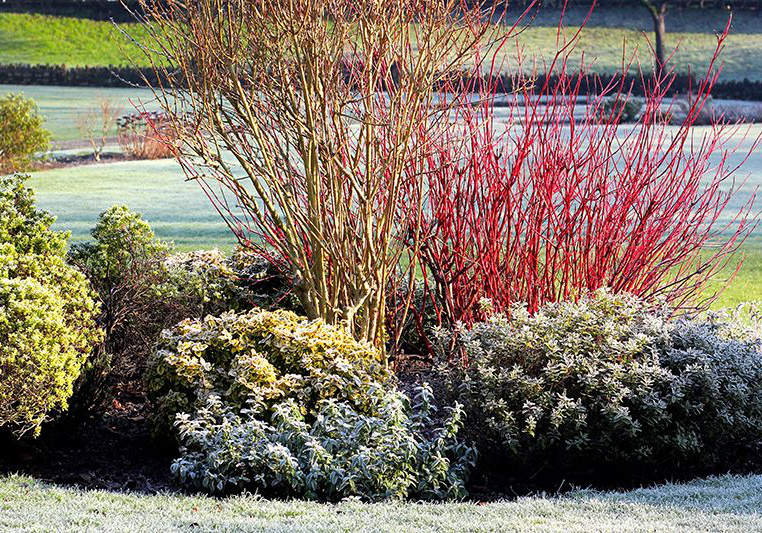
 Winter landscapes can be beautiful, but beneath the frosty surface, plants face real stress. Cold temperatures, icy winds, and hungry wildlife all create challenges that, if ignored, can cause lasting damage. With proper winter garden care, you can protect your plants and ensure it emerges healthy and vibrant in spring.
Winter Garden Care – Common Landscaping Challenges
Frost and Freeze Damage
Sudden temperature drops can rupture plant cells, especially in buds, flowers, and tender new growth, leading to browning, wilting, or loss of blooms. Early-blooming shrubs such as hydrangea, camellia, and witch hazel are particularly vulnerable, as their developing buds are exposed before the weather fully stabilizes. Protecting these plants during cold snaps can help preserve their seasonal display.
Desiccation (Winter Burn)
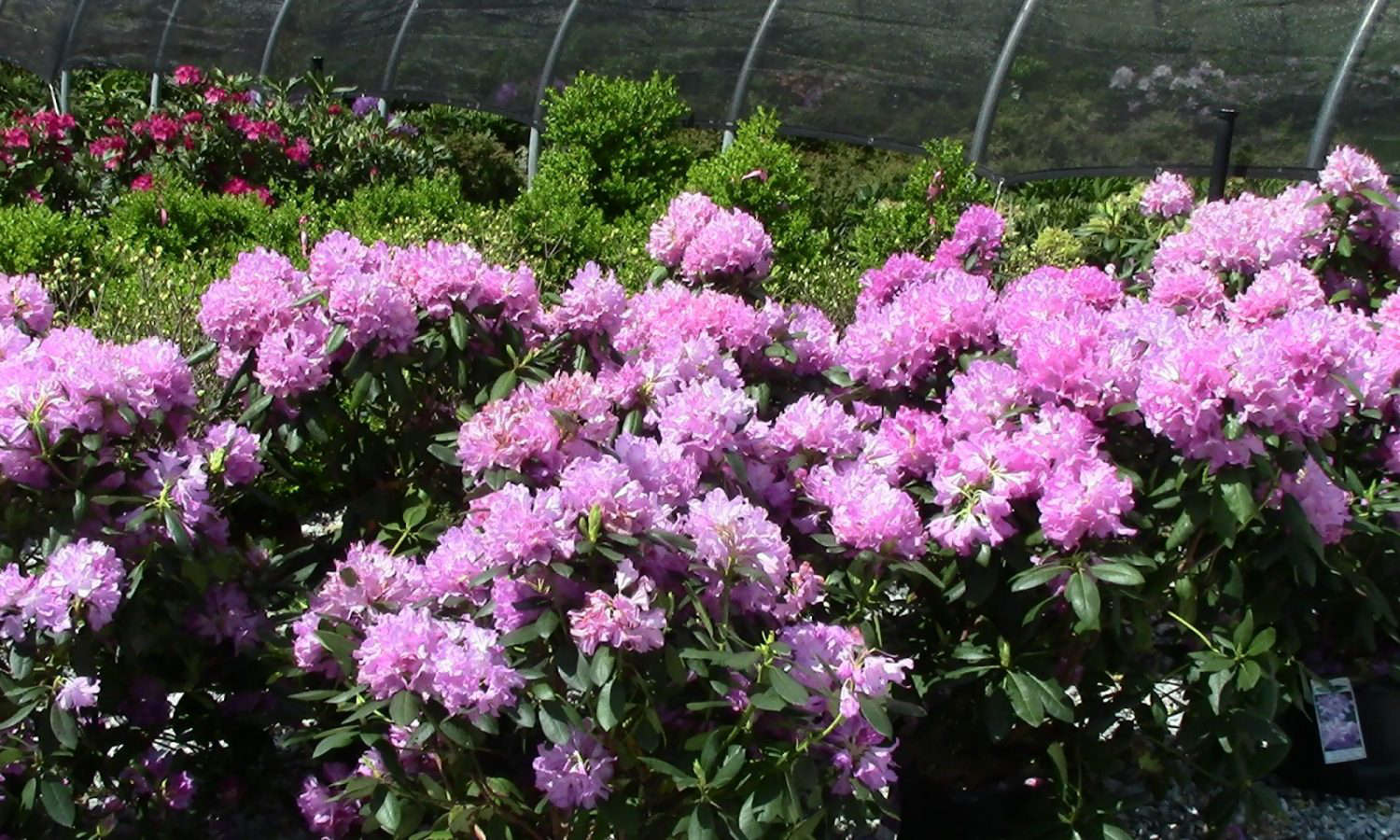
Desiccation, or winter burn, occurs when evergreens lose moisture through their leaves during cold, windy weather while frozen soil prevents their roots from replacing it. This moisture imbalance leads to browning, scorched, or dried-out foliage. Plants like boxwood, rhododendron, and hollies are especially susceptible and often show damage by late winter or early spring.
Snow and Ice Breakage
Snow and ice breakage happens when heavy accumulation weighs down branches, causing them to bend, crack, or even split trunks, and in some cases flatten entire shrubs. Upright arborvitae, multi-stemmed evergreens, and ornamental grasses are particularly prone to this type of damage due to their structure and flexibility. Protecting or gently clearing these plants after storms can help prevent long-term harm.
Animal Damage
Animal damage occurs when deer, rabbits, and rodents feed on bark, buds, and stems during winter, a time when natural food sources are limited. This grazing can weaken or disfigure plants, and in severe cases, even girdle young trunks. Young trees, fruit trees, and broadleaf evergreens are especially at risk and often need protection to prevent lasting harm.
Essential Winter Garden Care Practices
 1. Mulch for Root Protection
Apply a 2–4 inch layer of mulch (shredded bark, pine needles, or compost) around trees and shrubs before the ground freezes.
Keep mulch a few inches away from trunks to prevent rot.
Mulch stabilizes soil temperature, prevents frost heave, and locks in moisture.
2. Deep Watering in Late Fall
Give trees and shrubs a thorough soaking before the ground freezes, especially evergreens.
Well-hydrated plants withstand winter winds better.
Watering is especially important after dry autumns.
3. Shielding Evergreens
Burlap screens or windbreaks protect boxwood, holly, and rhododendron from drying winds.
Anti-desiccant sprays (applied in late fall) can reduce moisture loss.
Group plantings near buildings or fences for added shelter.
4. Pruning Before Snowfall
Remove dead, diseased, or weak branches in late fall to reduce snow and ice breakage.
Delay major shaping until late winter/early spring when plants are dormant.
Avoid pruning spring-flowering shrubs too early (you’ll lose next year’s blooms).
5. Managing Snow and Ice
Gently brush snow off branches with a broom moving upward — never shake, which causes breakage.
Do not try to remove ice; let it melt naturally.
Use calcium chloride or plant-safe de-icers instead of rock salt, which damages roots and foliage.
6. Protecting Against Wildlife
Wrap young tree trunks with plastic or mesh guards to stop rodent gnawing.
Use deer repellents or fencing around vulnerable shrubs.
Plant deer-resistant evergreens like Thuja ‘Green Giant’ instead of arborvitae where browsing pressure is high.
Plants That Naturally Handle Winter Well
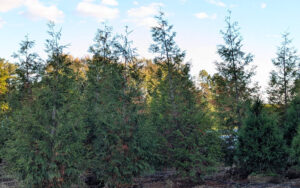 Some plants are naturally better adapted to tough conditions, making them reliable performers through winter’s challenges. Thuja ‘Green Giant’ stands up well to snow, ice, and cold winds, while River Birch (Betula nigra) thrives in wet soils and fluctuating temperatures. Helleborus (Lenten Rose) offers evergreen foliage and late-winter blooms, adding early color when little else flowers. Switchgrass (Panicum virgatum) features flexible stems that bend rather than break under heavy snow. For winter interest and wildlife value, Winterberry Holly (Ilex verticillata) provides bright berries that endure through the cold months.
Bonus: Winter Maintenance Checklist
✔ Mulch around trees and shrubs before ground freezes.
✔ Water deeply in late fall, especially evergreens.
✔ Wrap or shield broadleaf evergreens against windburn.
✔ Prune damaged or weak branches before heavy snow.
✔ Brush snow gently off plants; avoid salt near roots.
✔ Protect young trees with guards from deer and rodents.
Final Winter Garden Care Thoughts
Winter can be tough on landscapes, but it doesn’t have to leave your garden battered. With thoughtful care — from mulching and watering to shielding evergreens and protecting trees — you’ll give your plants the best chance to thrive year after year. Think of winter preparation as an investment: the more you do now, the healthier and more beautiful your landscape will be in spring.