

Top Landscape Trees
 As we move into 2026, landscape design continues to balance function, beauty, and long-term sustainability. Contractors are prioritizing trees that deliver visual impact, adaptability, and resilience — selections that thrive in Mid-Atlantic conditions while minimizing maintenance needs.
Emerging Trends for 2026
This year’s projects emphasize climate-adapted trees, native selections, and improved cultivars bred for uniformity and urban tolerance. Clients expect top landscape trees that perform under heat stress, poor soils, and changing weather patterns — all while enhancing property value. Continue reading “Top Landscape Trees for 2026 Projects”
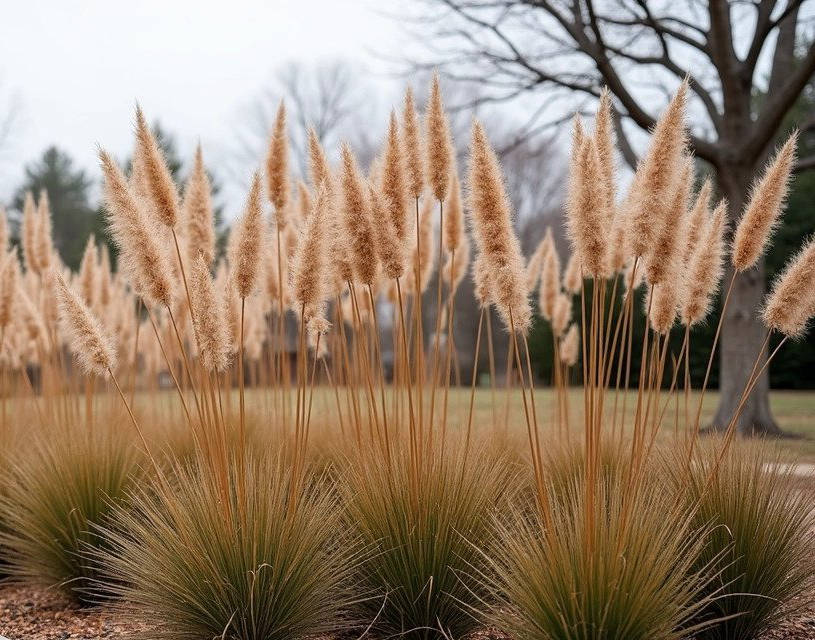
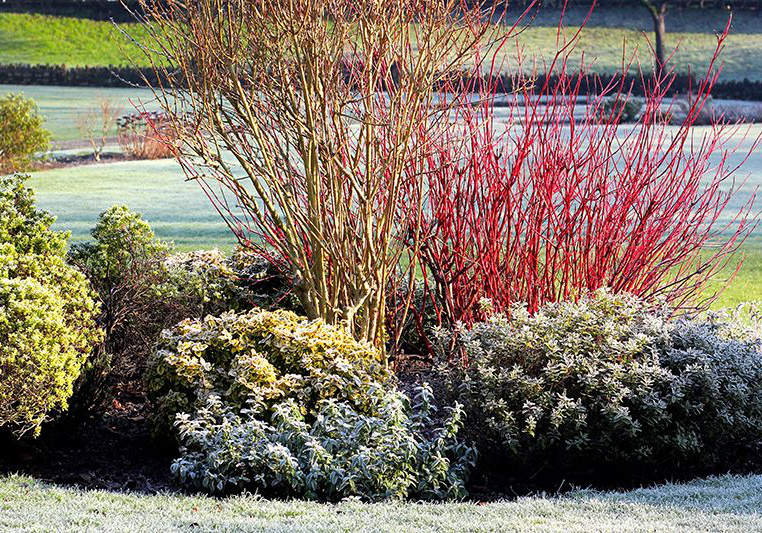
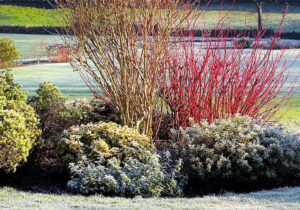 Winter landscapes can be beautiful, but beneath the frosty surface, plants face real stress. Cold temperatures, icy winds, and hungry wildlife all create challenges that, if ignored, can cause lasting damage. With proper winter garden care, you can protect your plants and ensure it emerges healthy and vibrant in spring.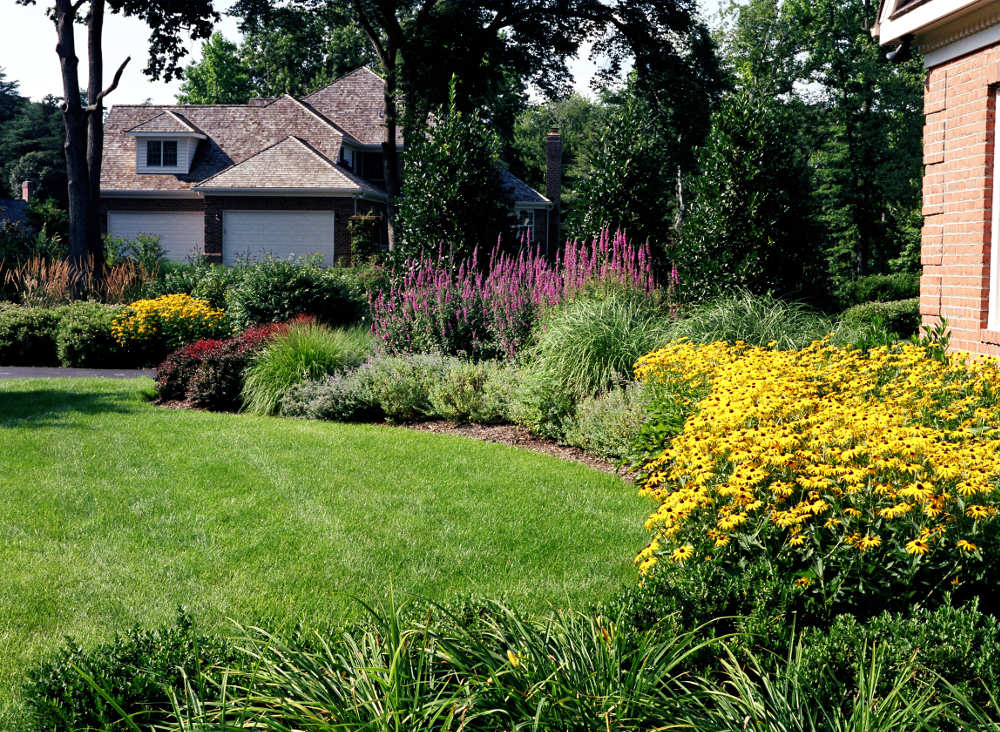
 Soil plays a critical role in plant health, with its unique characteristics shaping how well plants grow and thrive. Drainage varies widely—some soils hold water for long periods, while others dry out quickly, influencing moisture availability for roots. Nutrient levels also differ, as certain soils are naturally rich and fertile, while others require amendments to support vigorous growth. Finally, root development depends heavily on soil texture and structure, which determine how easily roots can spread, anchor, and access the resources they need. A clear understanding of these factors helps guide better planting and management decisions.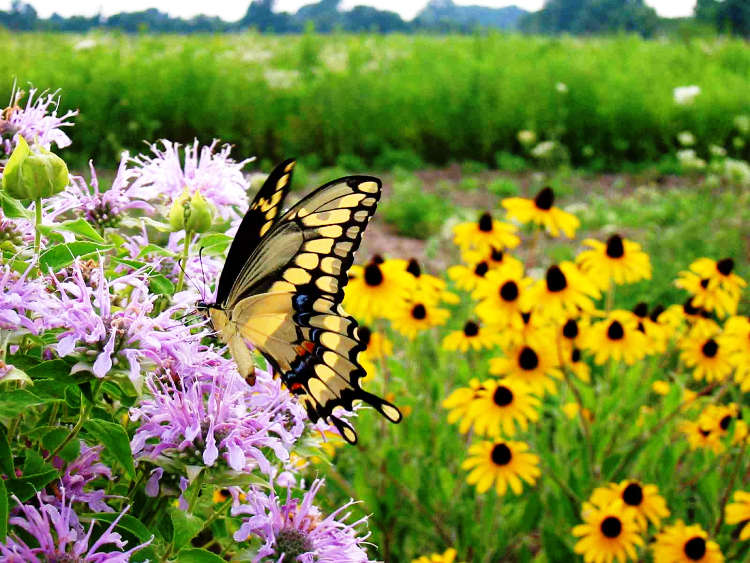
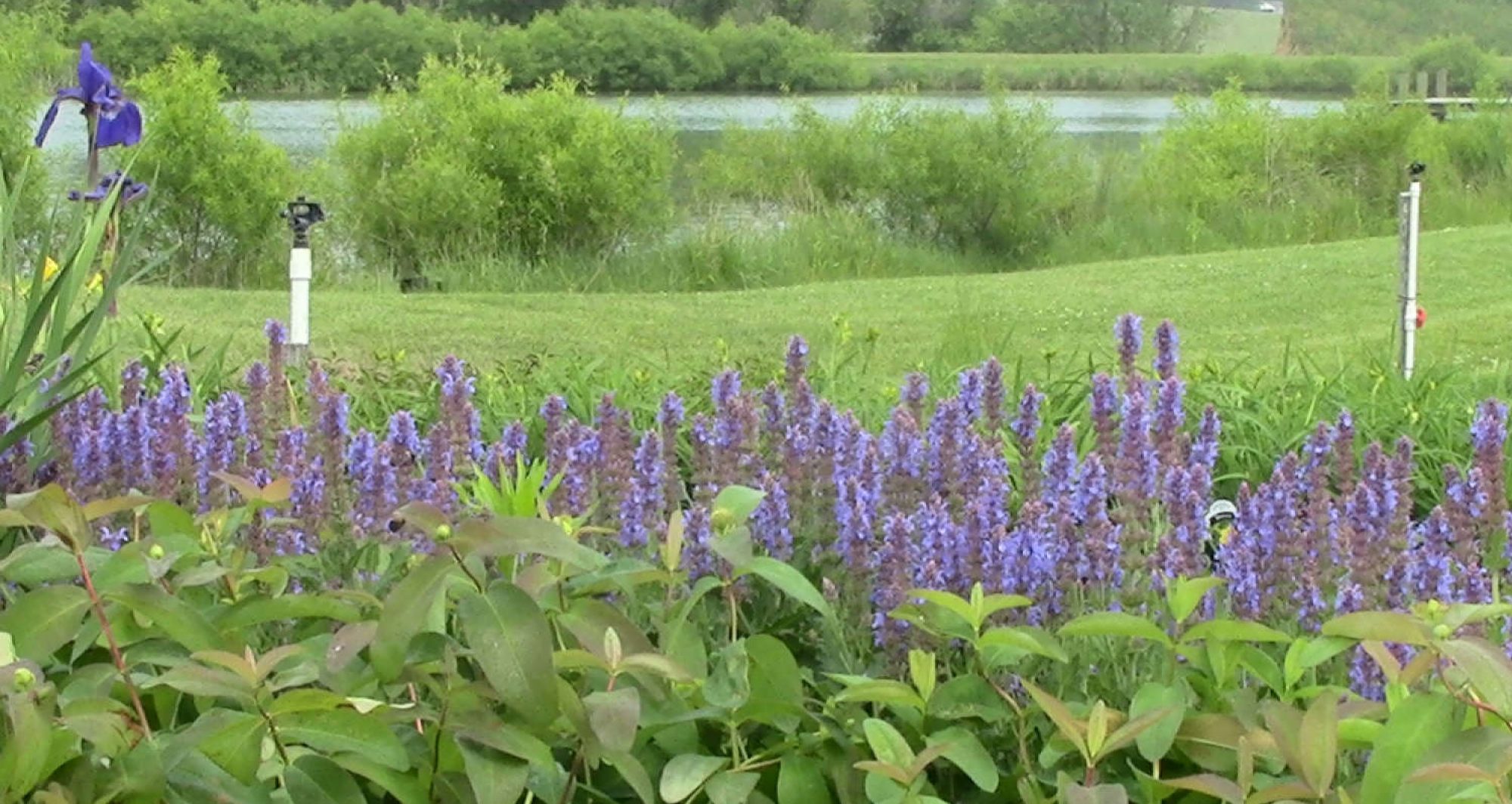
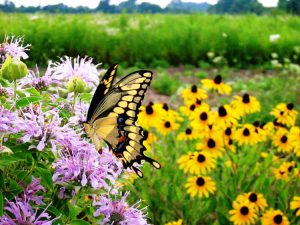 Pollinators like bees, butterflies, and hummingbirds play a vital role inhealthy ecosystems — and in keeping your garden thriving. By planting the right pollinator friendly perennials, you can create a beautiful landscape that supports pollinator populations while adding color and texture to your yard.