The Best Options that Help Extend Planting Season
 As fall installs ramp up, contractors are often choosing between balled-and-burlapped (B&B) and container-grown stock. Both have a place in a fall planting plan, but knowing the differences helps you match the right material to the right project.
Root Systems and Establishment – Crucial to Extending Planting Season
The way each type is grown affects how it establishes:
-
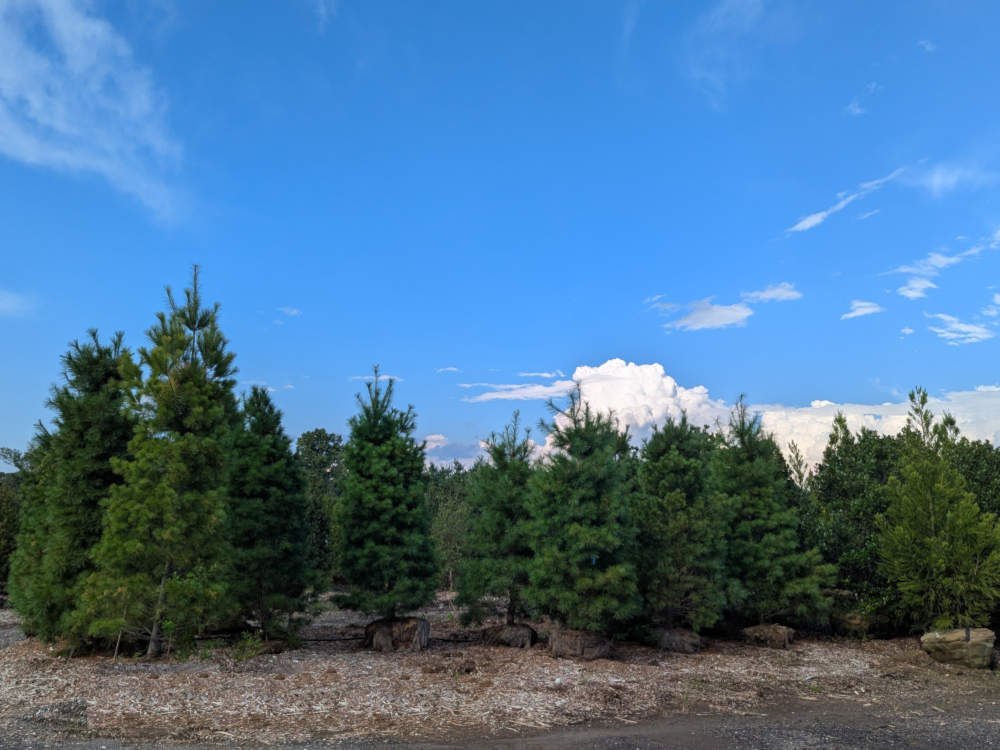
- B&B stock has a field-grown root system adapted to native soil conditions
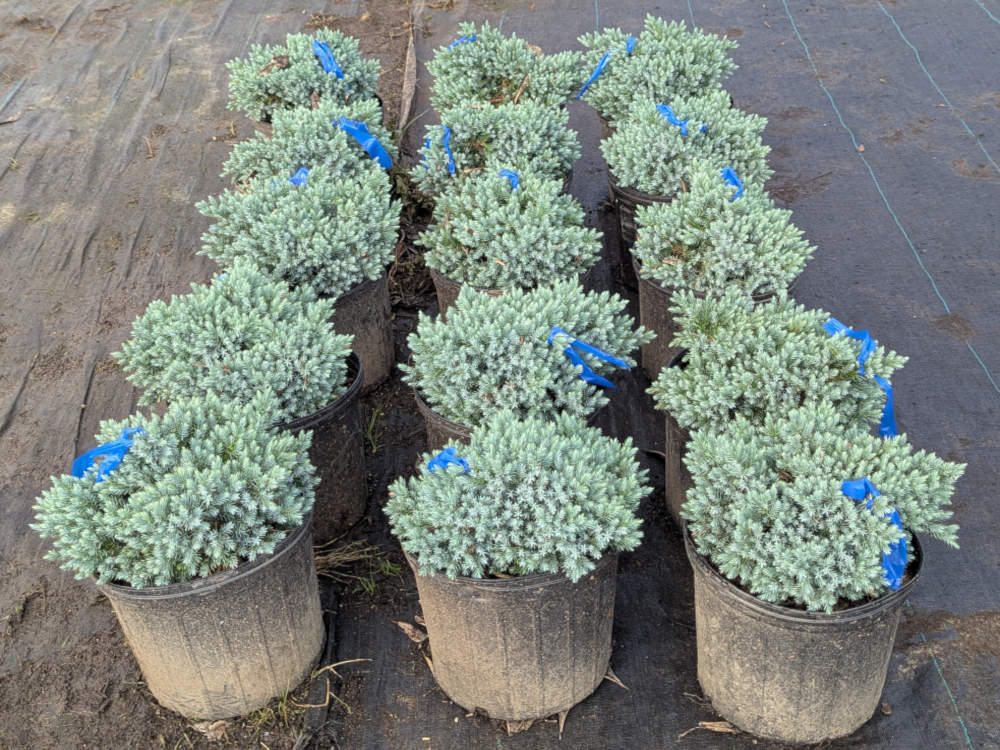
- Container stock has a fully contained, often more fibrous root system
- Container plants can sometimes establish faster in looser or amended soils
Handling and Transport Differences
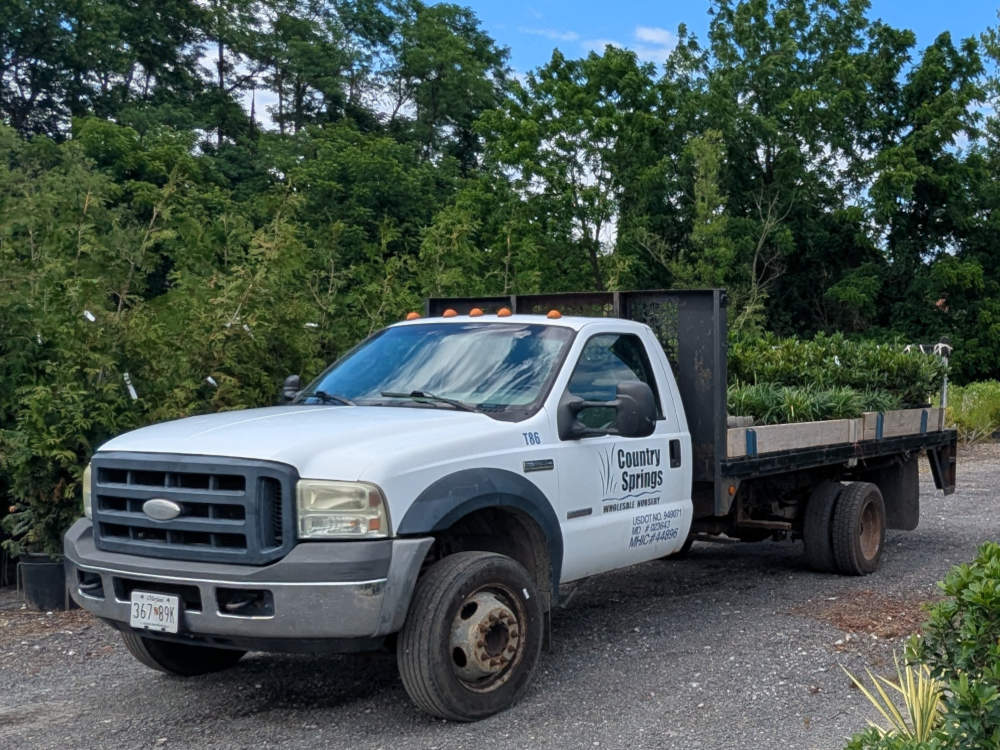 Each type comes with its own handling considerations:
-
- B&B material is heavier and requires careful support during transport
- Container stock is easier to move and stage on tight job sites
- Root balls on B&B stock are more vulnerable to drying if left exposed
Cost and Availability Factors
Budget and sourcing timelines matter when choosing how to extend planting season:
-
- Container stock is often more available in a wider range of sizes
- B&B is common for larger caliper trees and traditional installs
- Pricing can vary by species, size, and seasonal demand
Matching Stock Type to the Project
The right choice usually comes down to site conditions and project goals:
-
- Tight urban sites often favor container stock for easier handling
- Larger acreage or estate projects may call for B&B specimen trees
- Phased projects can benefit from mixing both types strategically
The Country Springs Wholesale Nursery Approach
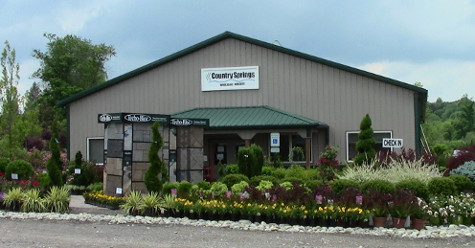 Our team helps contractors weigh these tradeoffs before committing to a plant list. We carry both B&B and container stock and can advise on what will perform best to help you extend planting season for your specific site and timeline.
Choosing the right growing method isn’t just a preference — it’s a planning decision that affects establishment, labor, and long-term results.