Build Beautiful Landscapes With Deer Resistant Plantings
 For contractors working throughout Maryland and the surrounding region, deer pressure is one of the most common client complaints — and one of the most preventable with the right plants. Fall installs are a good opportunity to get deer-resistant plantings established before browsing pressure increases in winter.
Why Deer Pressure Increases in Fall
As natural food sources decline, deer behavior shifts:
-
- Browsing increases as wild forage becomes scarce
- Newly installed plants are especially vulnerable while still establishing
- Certain textures, scents, and leaf types are naturally less appealing to deer
Trees and Shrubs Deer Tend to Avoid
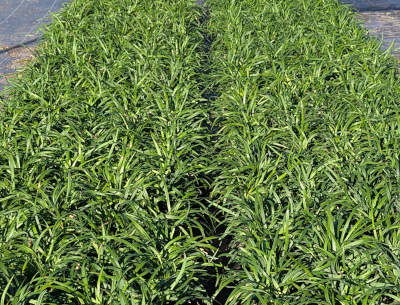 While no plant is completely deer-proof, some options are consistently more resistant:
-
- Boxwood alternatives with strong scent or tough foliage
- Ornamental grasses, which deer generally avoid
- Spirea, barberry, and other textured shrubs
Design Strategies That Help Deer-Resistant Plantings
Plant selection is only part of the solution. Placement matters too:
-
- Position highly palatable plants closer to structures or fencing
- Use resistant varieties as a perimeter buffer
- Group vulnerable new installs where they can be monitored or protected short-term
Setting Client Expectations
Clients often expect a guarantee that doesn’t exist in nature:
-
- Explain that “deer-resistant” means less preferred, not immune
- Recommend temporary protection for new installs through the first season
- Offer a mixed plant list that balances resistance with design goals
The Country Springs Wholesale Nursery Approach
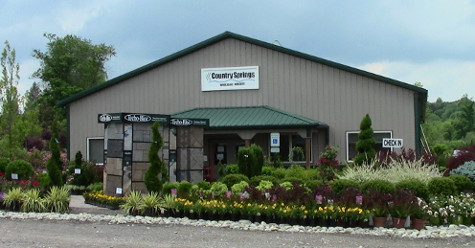 We stock a strong range of deer-resistant plantings. Trees and shrubs that can help you build plant lists suited to properties with known deer pressure. Our team stays current on what’s actually holding up in the field, not just what’s labeled resistant on a tag.
Addressing deer pressure at the planning stage saves contractors from callbacks — and gives clients a landscape that actually survives its first winter.