

Protect New Installations Through Winter with Late Season Mulching
Mulching gets plenty of attention in spring, but late season mulching is just as important — especially for plants installed during fall planting. Done correctly, it protects root systems through winter’s temperature swings and sets plants up for a stronger spring.
 What Late Season Mulch Protects Against
Winter brings a specific set of stresses that mulch helps buffer:
-
- Rapid soil temperature fluctuations that can damage shallow roots
- Frost heave, which can push newly installed plants out of the ground
- Moisture loss during dry winter stretches
Timing the Application
When mulch goes down matters as much as how much:
-
- Apply after the ground has cooled but before a hard freeze sets in
- Avoid mulching too early, which can trap summer heat around roots
- Refresh mulch on new fall installs even if beds were mulched earlier in the season
Getting the Depth and Placement Right
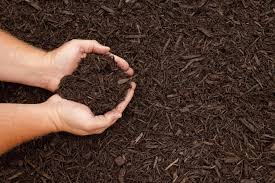 Common mistakes reduce mulch’s effectiveness:
-
- Keep mulch 2–3 inches deep — more can suffocate roots or hold excess moisture
- Pull mulch back from trunks and stems to prevent rot and pest habitat
- Extend mulch to the edge of the root zone, not just around the base
Material Considerations
Not all mulch performs the same over winter:
-
- Coarser mulch tends to stay in place better through winter weather
- Avoid mulch that mats down and blocks water penetration
- Consider reapplying material that has broken down significantly since summer
The Country Springs Wholesale Nursery Approach
 We talk through mulching timelines with contractors as part of every fall installation plan, especially for new plantings heading into their first winter. Getting this step right protects the investment made earlier in the season.
Late-season mulching is a small task with an outsized impact — it’s often the difference between a plant that struggles through winter and one that’s ready to thrive come spring.