Why Contractors Rely on Wholesale Nurseries for Quality and Consistency with Native Plants
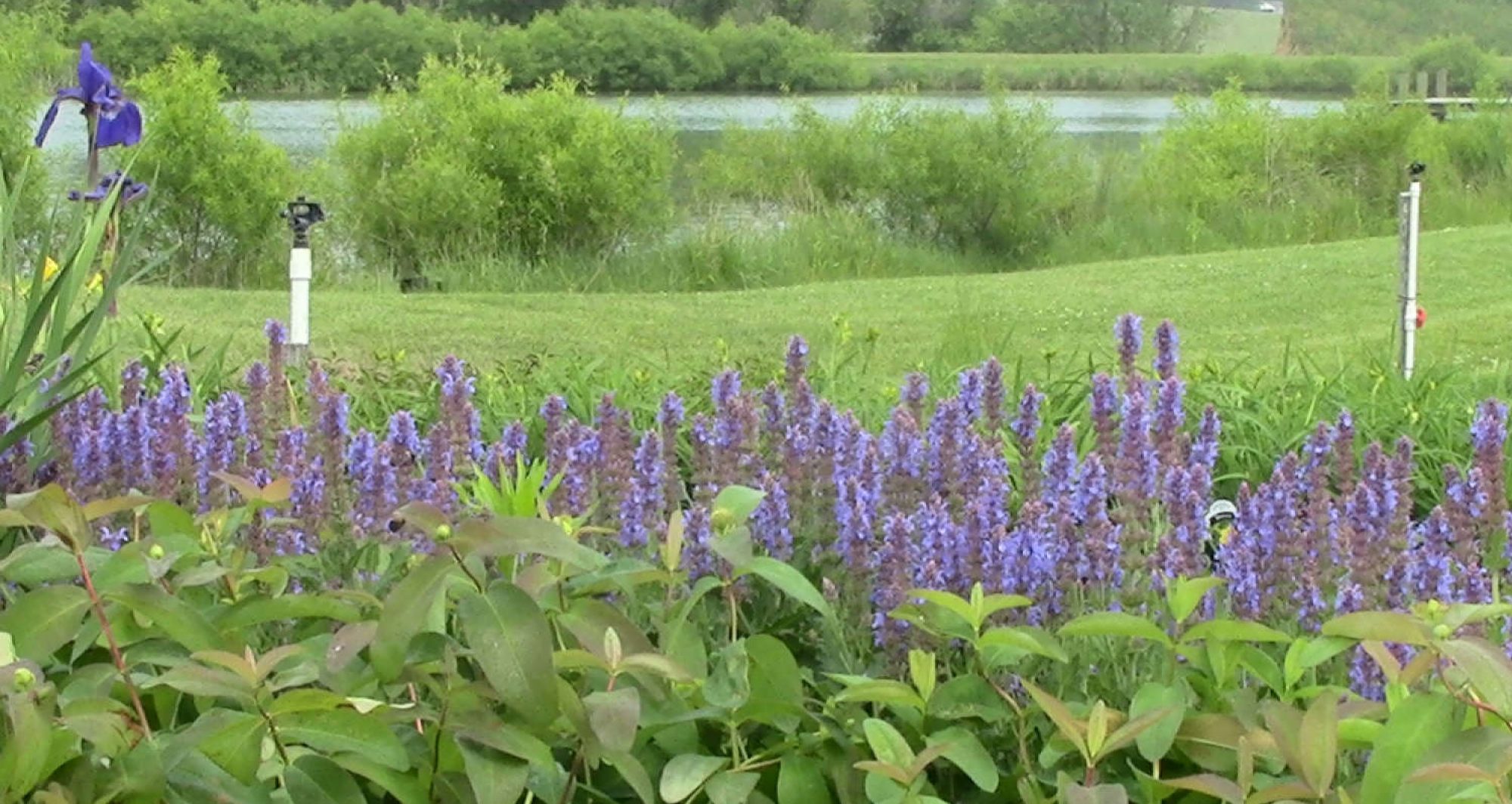
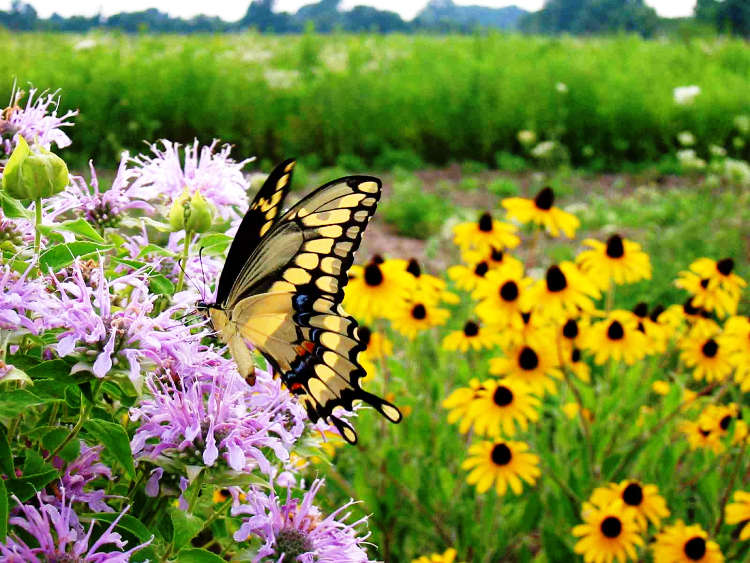
 The demand for native plants has surged — and it’s not slowing down. Municipal projects, commercial landscapes, and even homeowners are requesting regionally appropriate species that support pollinators, reduce maintenance, and meet environmental regulations.
Why Native Plants Are Growing in Popularity
-
- Ecological value: Native species strengthen local ecosystems and reduce fertilizer and irrigation needs.
- Resilience: They adapt naturally to local soils, rainfall, and climate patterns.
- Compliance: Many new developments now include native plant requirements for zoning or LEED credits.
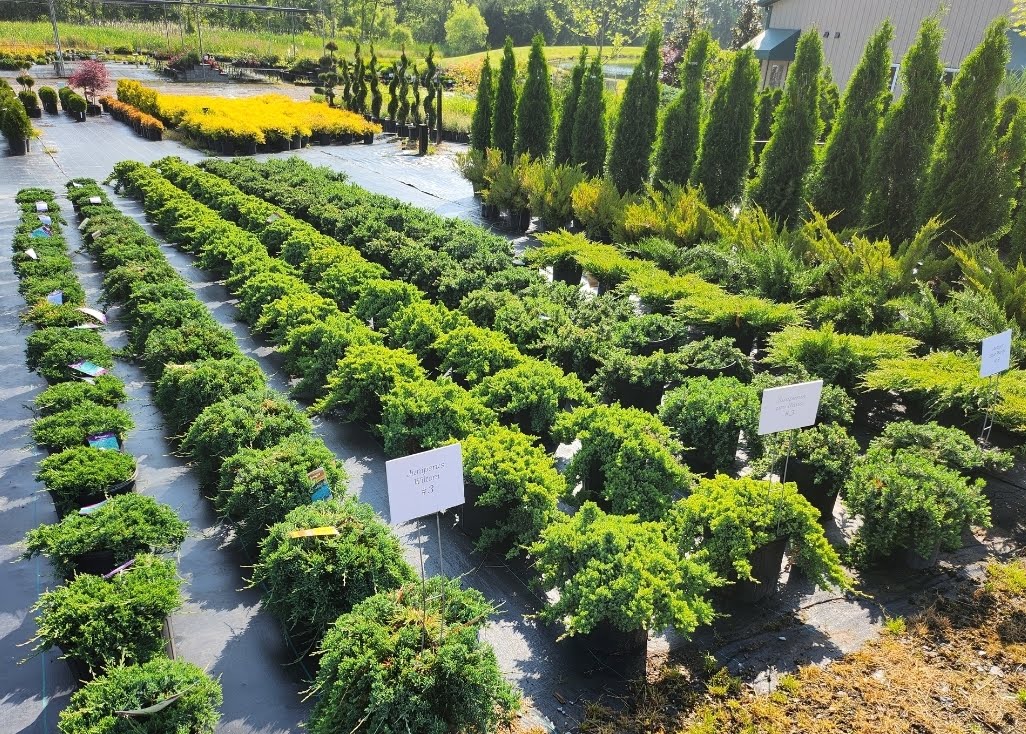
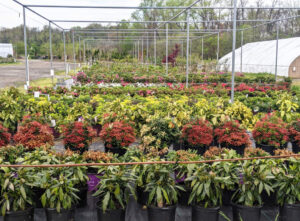 Guarantee access to the best-quality stock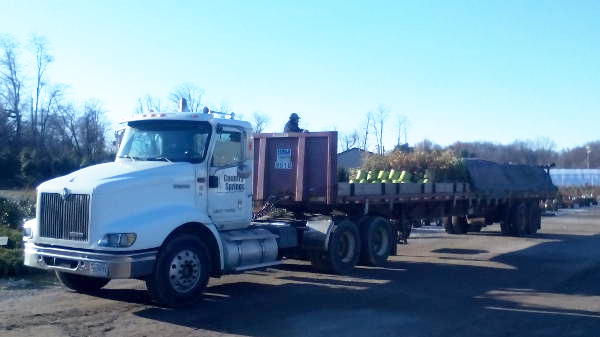
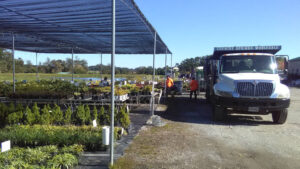 Step 1: Start with Clear Project Planning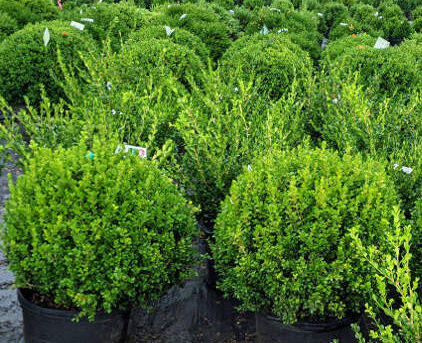

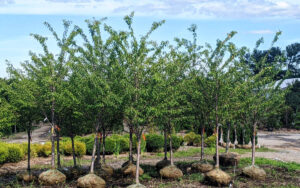 As we move into 2026, landscape design continues to balance function, beauty, and long-term sustainability. Contractors are prioritizing trees that deliver visual impact, adaptability, and resilience — selections that thrive in Mid-Atlantic conditions while minimizing maintenance needs.