
Winter Garden Care – Protecting Your Landscape Through the Cold

Winter Garden Care

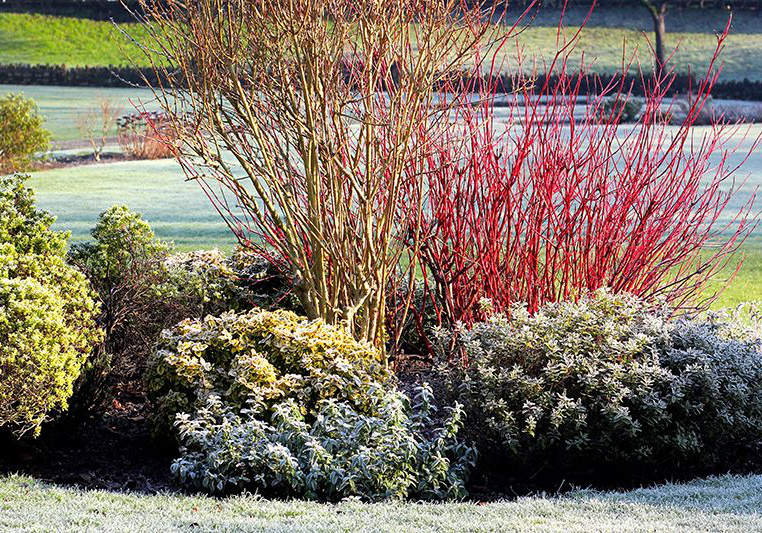
Winter Garden CareWinter landscapes can be beautiful, but beneath the frosty surface, plants face real stress. Cold temperatures, icy winds, and hungry wildlife all create challenges that, if ignored, can cause lasting damage. With proper winter garden care, you can protect your plants and ensure it emerges healthy and vibrant in spring. Continue reading “Winter Garden Care – Protecting Your Landscape Through the Cold”

Soil Matters: Choosing the Right Plants for Clay, Sand, or Loam

Why Soil Matters

Healthy gardens start from the ground up. Type of soil matters as it plays a huge role in how well plants establish, grow, and thrive. By matching plants to your soil conditions, you’ll set your landscape up for long-term success with less maintenance.

Why Type of Soil Matters

Why Soil MattersSoil plays a critical role in plant health, with its unique characteristics shaping how well plants grow and thrive. Drainage varies widely—some soils hold water for long periods, while others dry out quickly, influencing moisture availability for roots. Nutrient levels also differ, as certain soils are naturally rich and fertile, while others require amendments to support vigorous growth. Finally, root development depends heavily on soil texture and structure, which determine how easily roots can spread, anchor, and access the resources they need. A clear understanding of these factors helps guide better planting and management decisions. Continue reading “Soil Matters: Choosing the Right Plants for Clay, Sand, or Loam”

Shade Garden Favorites: Plants That Thrive in Partial Sun

Shade Garden

Shade Garden Basics

Not every corner of the landscape gets bright sunlight, but that doesn’t mean those spaces can’t be beautiful. A shade garden will create cool, calming retreats filled with texture, foliage color, and seasonal blooms. The key is choosing plants that are naturally adapted to lower light conditions.

Why Plant a Shade Garden?Shade Garden

    • Cool & Refreshing: Shade garden spaces are comfortable for people and plants in summer.
    • Low Maintenance: Many shade-loving plants require less watering than sun-lovers.
    • Unique Beauty: Shade gardens highlight foliage textures, variegated leaves, and subtle blooms.

Continue reading “Shade Garden Favorites: Plants That Thrive in Partial Sun”

Boxwood Basics: Which Variety Should You Choose?

Boxwood Basics Variety

Boxwood Basics

Boxwoods are a cornerstone of American landscapes, prized for their evergreen foliage, adaptability, and timeless appeal. Whether you’re designing a formal hedge, adding structure to a mixed border, or creating a classic foundation planting, choosing the right boxwood variety is key to long-term success. With dozens of cultivars available, it’s important to understand the differences in size, shape, and hardiness so you can match the right plant to your landscape needs.

Why Choose Boxwoods?

Boxwoods offer year-round greenery, respond well to pruning, and can be shaped into hedges, spheres, or left natural for a softer look. Their dense foliage makes them ideal for creating structure and contrast in the garden.

Popular Boxwood Varieties

Boxwood Basics Usage Chart

Tips for Success

Site Selection: Plant in well-drained soil; avoid waterlogged areas.Boxwood Basics Variety

Sunlight: Full sun to partial shade, depending on the variety.

Pruning: Light, regular pruning keeps shape without stressing the plant.

Winter Care: Mulch roots and shield from harsh winds to prevent bronzing.

Boxwood Basics: Final Notes

The best boxwood for your project depends on your design goals. For formal hedging, ‘Suffruticosa’ or ‘Green Velvet’ are excellent. If you need an upright structure, go with ‘Green Mountain.’ For compact accents, ‘Green Gem’ is ideal. And for durability with faster growth, ‘Wintergreen’ stands out.

No matter which you choose, boxwoods provide year-round structure and elegance, making them one of the most dependable shrubs in the landscape trade. Boxwoods also provide elegant foliage that helps to increase property value.

Contact our knowledgeable team at Country Springs Wholesale Nursery and schedule a visit to see our huge selection in person.


How to Mulch – Proper Mulching Techniques in Landscaping

Proper Mulching Techniques

Mulching is one of the best techniques that homeowners and landscapers can use to maintain the health of their trees. This is because it’s known for its ability to make the growing environment more favorable.

However, over mulching can turn out to be one of the most severe landscaping mistakes that a homeowner or landscaper can make. It will lead to damage to saplings as well as other plants.

Therefore, you need to know how to calculate mulch. This is the main reason why using proper mulching techniques in landscaping is recommended.

Bear in mind that the proper mulching depth should range between 2 and 4 inches.

how to mulchIf applied appropriately, the mulch will assist in:

  • maintaining moisture in the soil
  • weed control
  • enhancing the structure of the soil
  • preventing certain types of plant diseases

Additionally, mulch plays a vital role in protecting plants from weed whacker damage and lawn mower blight.

Mulch also gives your planting bed a uniform and well cared for appearance. For this reason, every landscape care provider must know how to mulch.

However, excessive mulch can cause numerous complications for homeowners. For this reason, you need to determine how much mulch to buy when it comes to mulching landscape beds.

Complications resulting from excessive mulching include:mulching landscape

  • Too much moisture in the root region leading to tree stress and making the roots rot
  • Insects and tree illness issues
  • Micro-nutrient venomousness
  • A high rate of weed growth
  • Stinking planting beds that are caused by the sour mulch and anaerobic conditions
  • Creation of hiding place for rodents that eat the back and girdle of trees

Proper mulching

It’s evident that the type of mulch selected and the technique of application can be vital to the well being of your trees. Here are the tips to help you do the right thing when applying mulch.

  1. Examine the plants and soil in the zone that you intend to mulch and find out if the drainage is adequate.
  2. Determine the depth of the mulch and never add mulch if there’s already an adequate layer. Check the existing mulch to segregate any entwined layers and refresh the appearance.
  3. In case the mulch is heaped around the stems and tree trunks, pull it back multiple inches to expose the base truck and root crown of the tree.

mulching landscape beds

Proper Mulching Techniques

In most cases, organic mulches are considered to be better than inorganic mulches since they have the required properties to improve the soil. In case you choose to use organic mulch, make sure it’s well aerated and composed. Never use sour-smelling mulch.

Composted wood pieces can form excellent mulch, particularly when they contain a variety of leaves, bark, and wood. Don’t use non composted wood pieces that are heaped deep without being exposed to oxygen.

Put a 2-4 inch layer of your mulch if your site has good drainage. If there are some drainage issues, try to use a thinner layer. Never put mulch against the trunks of trees. Following these recommendations for proper mulching techniques will lead to successful plant maintenance and growth.