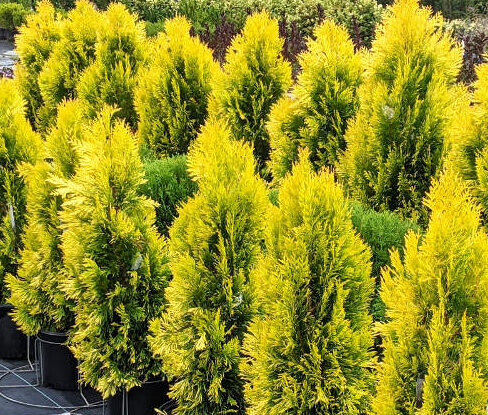
 A well-designed landscape shouldn’t fade into the background when temperatures drop. Winter is the perfect time to highlight structure, bark, berries, and evergreen foliage. By choosing interesting winter plants that shine in the colder months, you can keep your garden attractive year-round.
Why Focus on Winter Interest?
Interesting winter plants bring a unique dimension to the landscape, blending beauty with purpose. By combining vibrant color, distinctive structure, and ecological value, these plants ensure your garden remains engaging and alive even in the quiet months. They offer visual warmth, architectural appeal, and essential support for wildlife when nature’s palette is at its most subdued. A few main highlights include:
Seasonal Color: Bright berries and stems add contrast to snowy or bare backdrops.
Structure: Plants with striking bark or strong form bring beauty when leaves are gone.
Wildlife Value: Winter berries provide food for birds and pollinators benefit from early bloomers. Continue reading “Interesting Winter Plants: Bringing Color and Texture to the Cold Months”
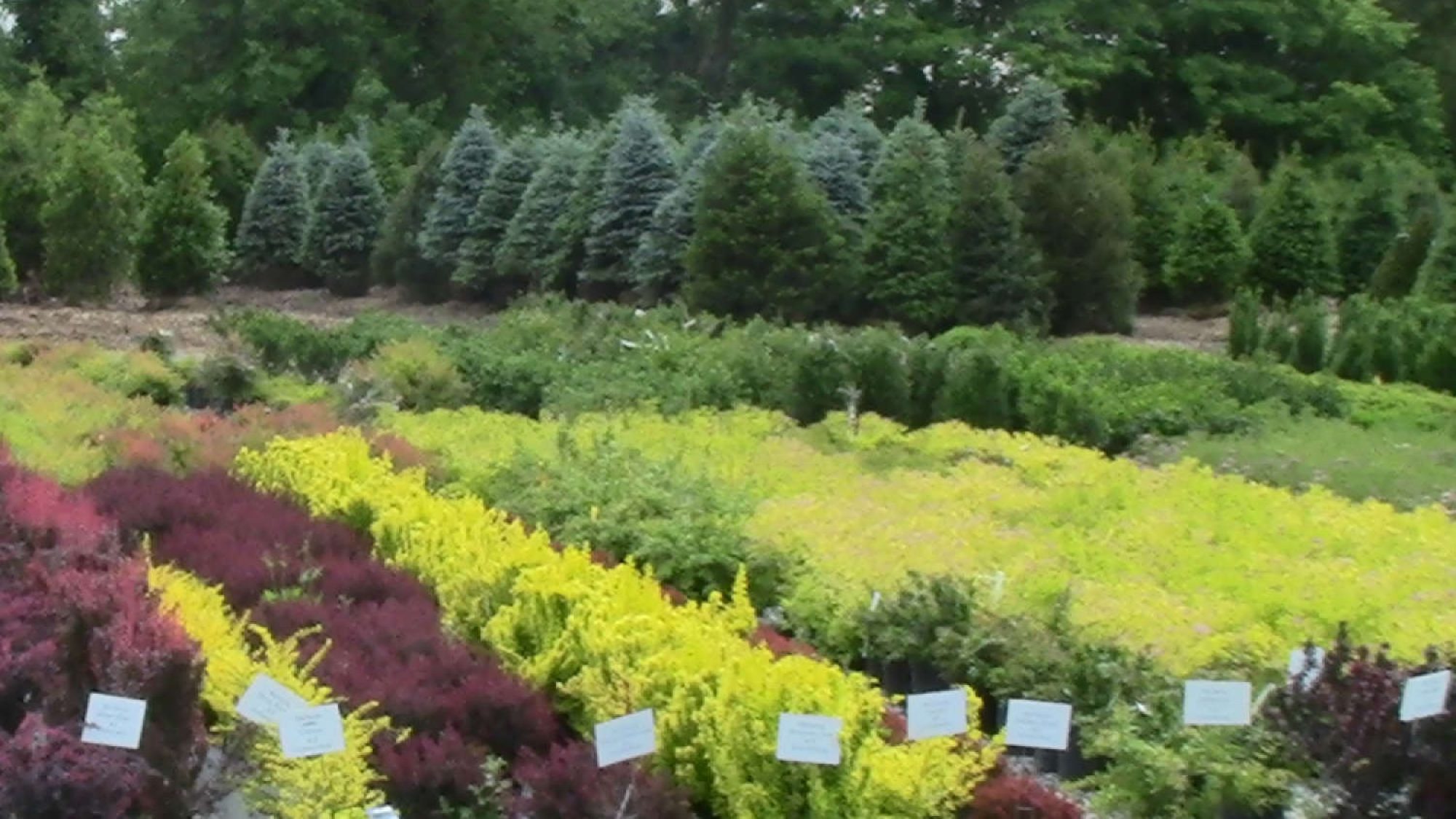


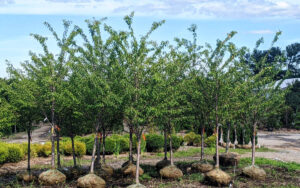 As we move into 2026, landscape design continues to balance function, beauty, and long-term sustainability. Contractors are prioritizing trees that deliver visual impact, adaptability, and resilience — selections that thrive in Mid-Atlantic conditions while minimizing maintenance needs.
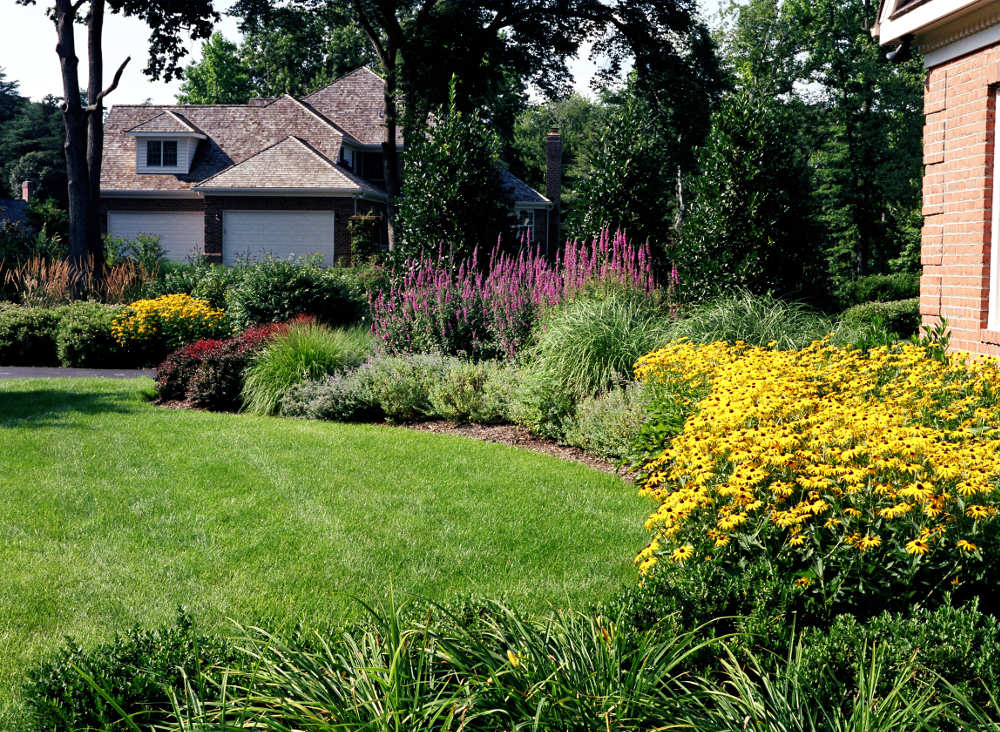
 Soil plays a critical role in plant health, with its unique characteristics shaping how well plants grow and thrive. Drainage varies widely—some soils hold water for long periods, while others dry out quickly, influencing moisture availability for roots. Nutrient levels also differ, as certain soils are naturally rich and fertile, while others require amendments to support vigorous growth. Finally, root development depends heavily on soil texture and structure, which determine how easily roots can spread, anchor, and access the resources they need. A clear understanding of these factors helps guide better planting and management decisions.